Social emotional learning is an important part of how children grow, learn, and succeed in school. Understanding the basics of social emotional learning helps families see how schools support not just academic skills, but also emotional health, positive behavior, and strong relationships.
When students learn how to manage feelings, work with others, and make good choices, they are better prepared for school and for life. SEL focuses on teaching children how to understand themselves, connect with others, and handle everyday challenges.
These skills support learning at every grade level, from early childhood through high school. For parents, knowing how SEL works can make it easier to support children at home and choose a school that values the whole child.
What Is Social Emotional Learning?
Social emotional learning, often called SEL, is the process of learning skills that help children understand emotions, build relationships, and make responsible decisions. SEL is not a separate subject taught once a week. It is part of daily learning, classroom routines, and school culture.
The importance of social emotional learning comes from its focus on helping students feel safe, confident, and supported. When students feel understood and respected, they are more likely to focus, participate, and succeed in school.
SEL helps students:
- Understand and manage emotions
- Build positive relationships
- Solve problems in healthy ways
- Develop empathy and respect for others
These skills grow over time and look different at each age, but the foundation remains the same.
The Five Core Competencies of SEL
The basics of social emotional learning are often explained through five core competencies. These areas work together to support emotional and academic growth.
Self-Awareness
Self-awareness means understanding emotions, thoughts, and strengths. Students learn to recognize how they feel and why. This helps children build confidence and understand how emotions affect behavior.
Self-Management
Self-management focuses on handling emotions, stress, and impulses. Students practice calming strategies, goal-setting, and perseverance. These skills help children stay focused and handle challenges in the classroom.
Social Awareness
Social awareness teaches empathy and respect. Students learn to understand different perspectives and show kindness to others. This skill helps children work well with classmates and respect diverse backgrounds.
Relationship Skills
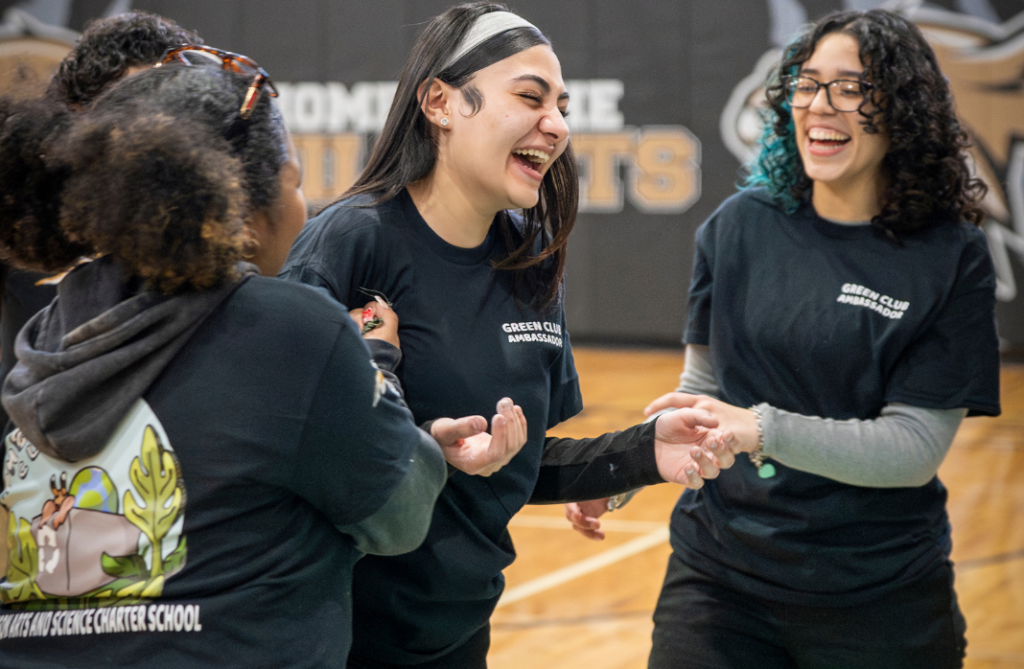
Strong relationships are built through communication, cooperation, and conflict resolution. SEL helps students learn how to listen, share ideas, and solve problems peacefully. These are essential SEL skills for students at every age.
Responsible Decision-Making
Responsible decision-making involves making choices that are safe, ethical, and thoughtful. Students learn to think about consequences and consider how their actions affect others.
Why Social Emotional Learning Is Important for Student Success
The importance of social emotional learning goes beyond behavior. SEL supports academic growth by helping students feel ready to learn. When children can manage their emotions and work with others, classrooms become calmer and more focused.
Research shows that students with strong SEL skills are more likely to:
- Attend school regularly
- Show positive behavior
- Stay engaged in learning
- Build healthy relationships
SEL also supports long-term success. These skills help students prepare for college, careers, and community life.
How SEL Supports Emotional Regulation
Emotional regulation is a key part of the basics of social emotional learning. Students learn how to name feelings, understand triggers, and choose healthy responses. This is especially important during stressful moments.
In early grades, emotional regulation may include learning how to take deep breaths or ask for help. In middle and high school, it may involve managing stress, handling conflict, and staying focused on goals.
Students who practice emotional regulation feel more in control and confident. This supports both learning and well-being.
Building Strong Relationships Through SEL
Positive relationships help students feel connected and valued. SEL teaches children how to communicate clearly, listen actively, and work as a team. These skills help students build friendships, work in groups, and interact respectfully with adults.
Strong relationships also create a sense of belonging. When students feel they belong, they are more likely to participate, take risks in learning, and ask questions.
The importance of social emotional learning is clear in how it helps schools build caring communities where students feel safe and supported.
SEL and Academic Growth Across Grade Levels
SEL supports learning at every stage of development.
Early Childhood and Elementary School
Young children learn basic emotional skills, such as sharing, taking turns, and expressing feelings with words. These early SEL skills help students adjust to school routines and build confidence.
Middle School
As students grow, SEL focuses on self-awareness, peer relationships, and decision-making. Students learn to manage stronger emotions and navigate social changes.
High School
In high school, the basics of social emotional learning shift to supporting independence, goal-setting, and resilience. Students practice skills that prepare them for college and careers, such as teamwork, problem-solving, and self-advocacy.
Trusted Research Behind Social Emotional Learning
Many schools base their SEL programs on well-established research. Organizations such as CASEL provide guidance on effective practices and help schools implement programs that support student growth. Their research shows that SEL improves academic outcomes and emotional well-being.
Educational resources like Edutopia also highlight real-world examples of social emotional learning in action, showing how SEL strategies support emotional regulation, relationship-building, and academic engagement in classrooms across grade levels.
How Families Can Support SEL at Home
Parents and caregivers play an important role in reinforcing the basics of social emotional learning. Simple actions at home can strengthen these skills.
Families can:
- Talk openly about feelings
- Model calm problem-solving
- Encourage empathy and kindness
- Praise effort and persistence
When schools and families work together, students gain stronger SEL skills for students that support success in and out of the classroom.
Social Emotional Learning and Positive School Climate
The basics of social emotional learning also play a key role in creating a positive school environment. When SEL is part of daily instruction, students feel safer, more respected, and more connected to their school community. This sense of safety allows children to focus on learning instead of stress or fear.
A strong SEL approach helps reduce behavioral challenges by teaching students to express their feelings and solve problems calmly. Classrooms become more supportive spaces where mistakes are treated as learning opportunities. Teachers can spend more time teaching, and students can spend more time learning.
The importance of SEL is clear in how it supports respect, responsibility, and teamwork throughout the school day. These shared values help create consistency across classrooms and grade levels. Over time, a positive school climate helps students develop confidence, resilience, and pride in their school community.
Choosing a School That Values SEL
When choosing a school, families may want to ask how social emotional learning is part of daily instruction. Schools that prioritize SEL often have clear routines, supportive staff, and a positive school culture.
The importance of social emotional learning is reflected in how schools support student well-being alongside academic achievement. This balanced approach helps children thrive.
Apply Today and Support Your Child’s Growth
At iLearn Schools, we believe strong academics and strong SEL skills go hand in hand. If you are looking for a school that supports the whole child, we invite you to apply today.
We are currently accepting applications for:
- Paterson Silk City Primary (Kindergarten): 88 Danforth Ave, Paterson, NJ
- Hudson Junior High (9th Grade): 114 Chestnut St, Kearny, NJ
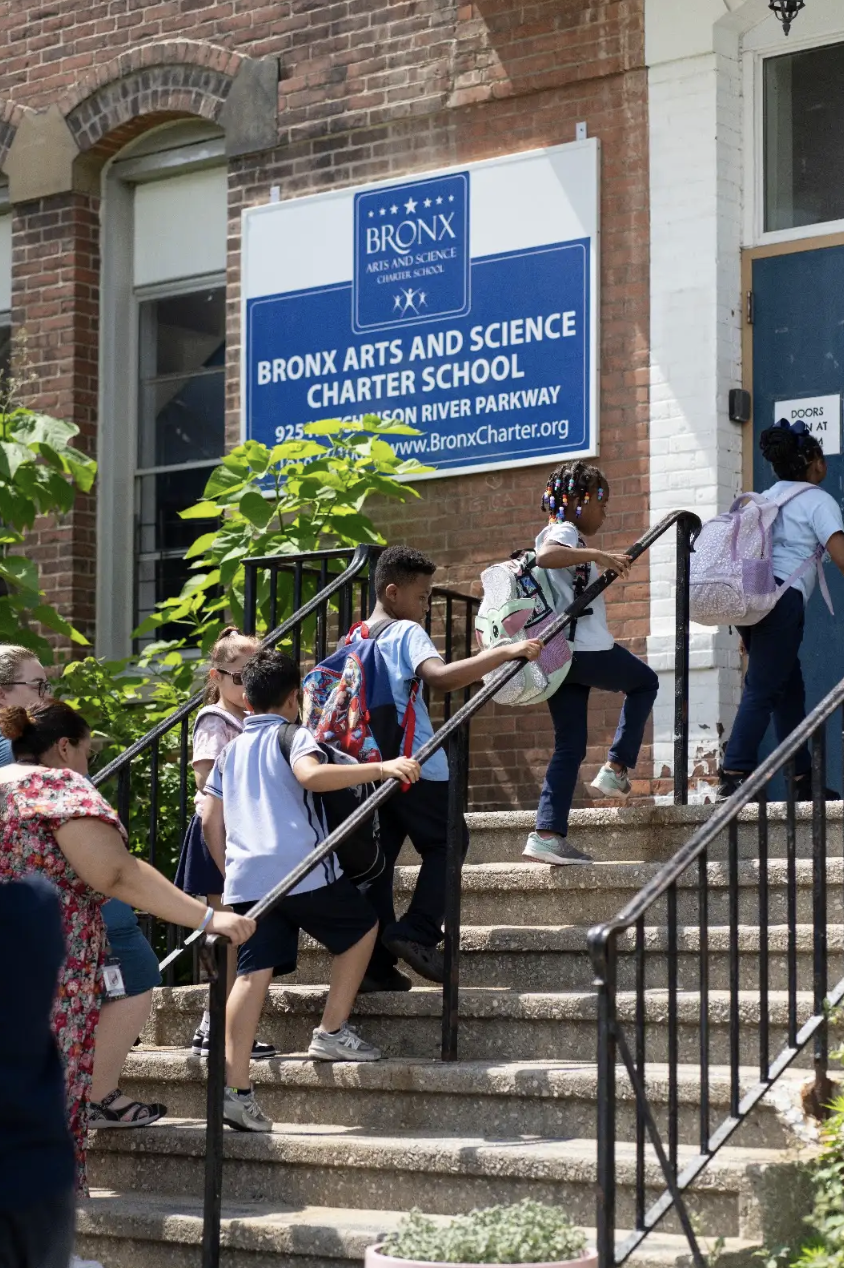
- Bronx Primary (Pre-K & K): 925 Hutchinson River Parkway, Bronx, NY
New families who enroll at one of these campuses will receive a $100 uniform voucher. Visit our admissions page to learn more and apply.