Clear expectations help students feel safe, supported, and ready to learn. That is why student discipline policies play an important role in charter schools. These policies explain how schools guide behavior, respond to challenges, and work with families to support positive growth.
For parents, understanding how discipline works can make it easier to choose the right school and partner confidently with educators. Charter schools, like traditional schools, focus on fairness, consistency, and restorative approaches. Let us take a closer look at how this works in action.
What Are Student Discipline Policies?
Student discipline policies are written guidelines that explain how schools handle behavior. They outline what behaviors are expected, what actions may be taken when rules are broken, and how students are supported along the way.
In charter schools, these policies are designed to be clear and easy to understand. Families usually receive them in a student handbook before the school year begins. This helps everyone start on the same page.
Strong policies focus on teaching, not just punishment. They aim to help students learn from mistakes and make better choices in the future.
How Charter Schools Develop Discipline Policies
Charter schools have flexibility in how they design programs, but they still must follow state laws and regulations. When creating student discipline policies, charter schools often involve school leaders, teachers, and sometimes families.
The goal is to create rules that are:
- Fair for all students
- Consistent across classrooms
- Aligned with the school’s mission and values
Many charter schools also review data, such as attendance and behavior trends, to improve their approach over time. This helps ensure policies remain effective and supportive.
Student Behavior Expectations in Charter Schools
Clear student behavior expectations help students understand what is expected of them each day. These expectations are usually taught early and reinforced often.
Examples may include:
- Treating others with respect
- Following classroom and school rules
- Taking responsibility for actions
Rather than assuming students already know these skills, charter schools teach them directly. This can include modeling positive behavior, classroom discussions, and regular reminders.
When students understand expectations, they are more likely to feel confident and successful at school.
Consistency and Fairness in Discipline
Consistency is a key part of effective student discipline policies. When rules are applied the same way for all students, trust grows between families and schools.
Charter schools use clear steps for handling behavior issues. For example, a teacher may address a concern in the classroom first, then involve school staff if needed. Families are usually informed early so they can support their child.
Fairness also means looking at the full picture. Schools may consider a student’s age, needs, and circumstances when responding to behavior. This balanced approach helps students feel understood and supported.
Restorative Discipline in Schools
Many charter schools use restorative discipline in schools as part of their approach to student behavior. Restorative practices focus on helping students understand how their actions affect others and how to repair harm when mistakes happen.
Instead of relying only on punishment, restorative approaches encourage reflection, communication, and accountability. This may include guided conversations, problem-solving meetings, or support from counselors and school staff. The goal is to help students learn from challenges while staying connected to their school community.
Research from the Learning Policy Institute shows that restorative discipline in schools can improve school climate and reduce repeat behavior issues when used consistently and supported by staff training. These practices work best when they are part of a larger system that includes clear expectations and strong relationships between students and adults.
By focusing on growth and understanding, restorative approaches help students build important life skills such as empathy, responsibility, and communication.
Comparing Charter School and Traditional Public School Discipline
Both charter schools and traditional public schools aim to create safe learning environments. The difference lies in how discipline is applied and how much flexibility schools have in responding to student needs.
Some traditional discipline models relied heavily on zero-tolerance policies, which used automatic punishments like suspension for certain behaviors. Research from the American Psychological Association has shown that these approaches do not always improve behavior and can remove students from learning unnecessarily.
Charter schools take a more flexible approach. Many focus on prevention, clear student behavior expectations, and supportive responses before serious consequences are used. This allows schools to address behavior concerns while keeping students engaged in learning whenever possible.
Both models continue to evolve, but families appreciate charter schools for their emphasis on fairness, consistency, and student growth.
Family Communication and Transparency
Strong communication is a core part of effective student discipline policies. Charter schools often prioritize keeping families informed and involved.
Parents may be contacted when:
- A behavior concern arises
- A pattern of behavior is noticed
- Support plans are put in place
This partnership helps students receive consistent messages at home and school. When families understand the process, they can better support positive behavior and growth.
Supporting Students With Additional Needs
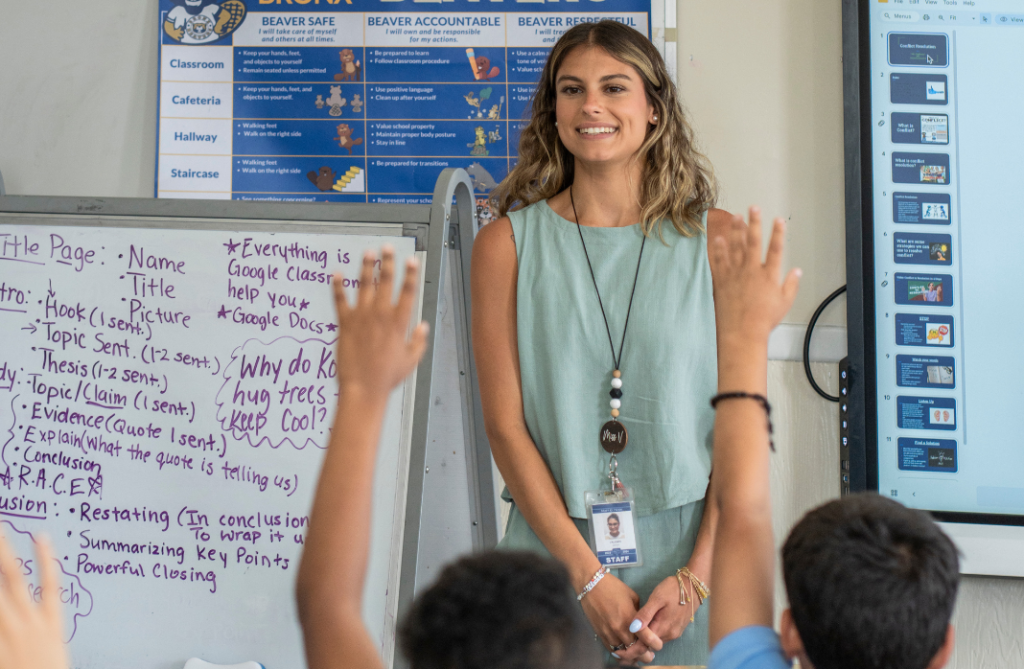
Effective student discipline policies also recognize that not all students experience school the same way. Charter schools serve diverse communities, including students with learning differences, emotional needs, or challenging life circumstances. Strong discipline systems are designed to support these students rather than punish them unfairly.
Many charter schools use tiered supports to address behavior concerns early. This may include check-ins with trusted staff, small group social skills lessons, or individualized behavior plans. These supports help students learn coping strategies and problem-solving skills in a structured and caring way.
Clear student behavior expectations remain important, but flexibility matters. Schools may adjust responses based on a student’s age, development level, or specific needs. This approach helps ensure discipline remains fair and supportive for all learners.
In schools that prioritize restorative discipline in schools, students with ongoing challenges are given opportunities to reflect, repair harm, and rebuild trust over time. Families are often included in these conversations so expectations stay consistent between home and school.
When discipline systems focus on understanding and growth, students are more likely to stay engaged, feel respected, and succeed both academically and socially.
How Discipline Policies Support Student Success
Well-designed policies do more than address problems. They support learning by creating a calm, respectful environment. When expectations are clear and support is available, students can:
- Stay focused on learning
- Build social and emotional skills
- Feel safe asking for help
Approaches like restorative discipline in schools help students grow from challenges instead of feeling pushed out. Over time, this can improve attendance, engagement, and overall school culture.
What Parents Should Look For
When reviewing a charter school’s discipline approach, parents may want to ask:
- How are student behavior expectations taught?
- How does the school handle conflict or repeated issues?
- How are families involved in the process?
Understanding these answers can help families choose a school that matches their values and supports their child’s needs.
Enroll Today and Learn More
At iLearn Schools, we believe clear expectations, fairness, and supportive practices help students thrive. We are still accepting applications for the following campuses and grades:
- Paterson Silk City Primary (Kindergarten): 88 Danforth Ave, Paterson, NJ
- Hudson Junior High (9th Grade): 114 Chestnut St, Kearny, NJ
- Bronx Primary (Pre-K & Kindergarten): 925 Hutchinson River Parkway, Bronx, NY
New families who enroll at one of these campuses will receive a $100 uniform voucher.
Visit our admissions page to learn more or apply today. We look forward to partnering with your family and supporting your child’s success.