When parents ask, does primary school matter, they are really asking a bigger question. Will these early years truly shape my child’s future? The short answer is yes.
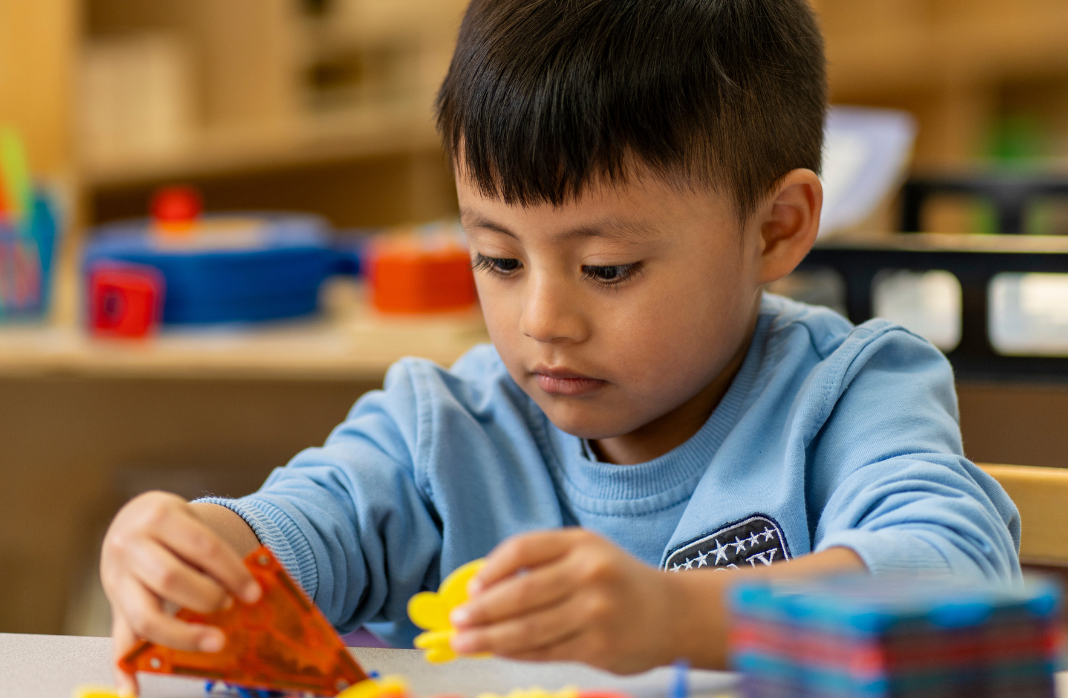
Primary school is where children build the skills, habits, and confidence they carry with them for the rest of their education. These years are about learning how to learn. Early education sets the tone for academic growth, social skills, and emotional strength. A strong start can make a lasting difference.
Why the Early Years Matter So Much
Research on early brain development shows that the first few years of life are critical for building the connections children need for learning and emotional health. According to Lurie Children’s Hospital, early experiences shape how the brain develops and can influence long-term academic and social success.
This is why high-quality primary schools focus on more than just academics. They provide structured routines, caring teachers, and safe classrooms. These elements help children feel secure. When children feel safe, they are more ready to learn.
An effective early childhood learning pact between schools and families also plays an important role. When parents and teachers work together, children benefit. This partnership creates clear expectations and shared goals for growth.
Building Strong Academic Foundations
One of the main reasons primary school matters is academic preparation. In primary school, students learn foundational skills in:
- Reading
- Writing
- Math
- Science
- Problem-solving
If children master reading in the early grades, they are more likely to succeed in later subjects.
Studies from the National Institute for Early Education Research show that students who attend high-quality preschool programs demonstrate positive academic effects that can persist through tenth grade. These findings highlight the long-term value of strong early education programs.
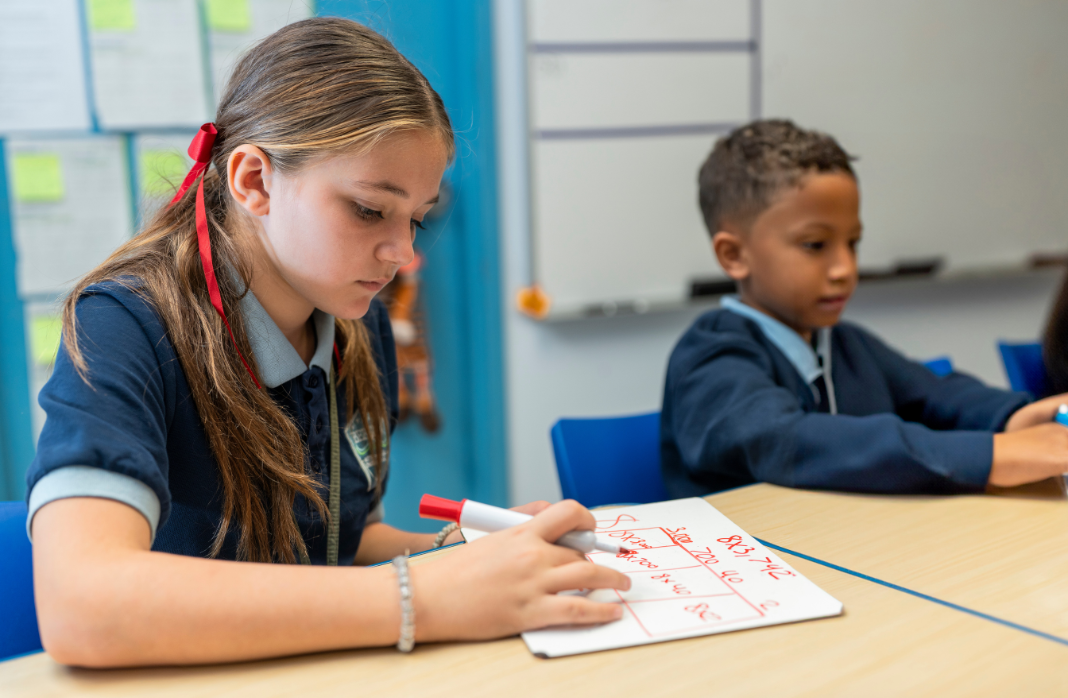
Primary school also teaches children how to focus, follow directions, and complete tasks. These are skills that support long-term success. Without a strong academic base, students may struggle to catch up in middle school and high school.
So when families wonder, “Does primary school matter?” the answer becomes clear. It builds the academic base that supports everything that follows.
Social and Emotional Growth
Academic skills are important, but they are not the only reason primary school matters. Primary school helps children learn how to:
- Share and cooperate
- Solve conflicts peacefully
- Express emotions in healthy ways
- Build friendships
- Respect differences
These social and emotional skills are just as important as reading and math. Children who feel confident and connected are more likely to stay engaged in school.
Teachers in strong primary schools understand this. They guide students through group activities, class discussions, and collaborative projects. These experiences help children practice teamwork and empathy.
Developing Good Habits Early
Habits formed in primary school often last for years. In early education, children learn:
- Time management
- Responsibility
- Organization
- Perseverance
For example, a child who learns to complete homework on time in kindergarten or first grade begins to see schoolwork as a normal part of daily life. A child who learns to keep materials organized builds independence.
These habits grow stronger over time. By the time students reach upper grades, they rely on these skills every day.
When parents wonder if primary school matters, they may not always think about habits. Yet habits shape outcomes. Good routines in the early years can prevent future struggles.
The Role of Teachers in Primary School
Teachers play a powerful role in early education.
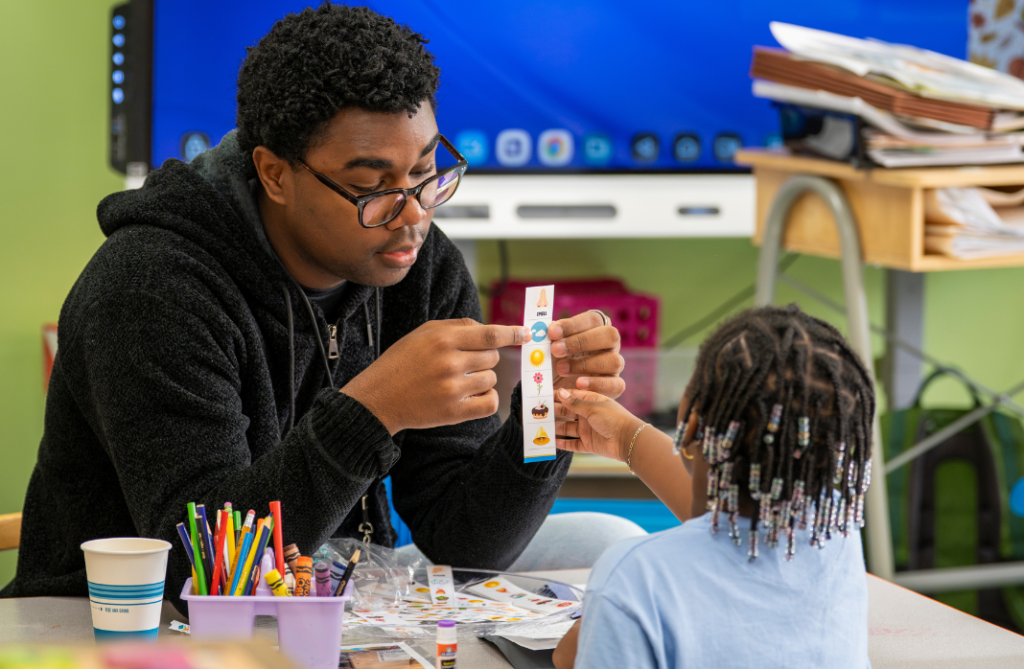
In primary school, teachers often serve as both instructors and mentors. They model kindness, patience, and problem-solving; notice when a child needs extra support; and celebrate small victories that build confidence.
A caring teacher can change how a child feels about school. When children feel seen and valued, they are more likely to take risks in learning.
Strong primary schools invest in professional development and clear teaching strategies. They understand that early education requires skill and dedication.
Choosing a Primary School That Fits Your Child
Choosing a primary school becomes an important decision. Families should consider:
- Academic programs
- Class size
- School culture
- Safety measures
- Family involvement opportunities
When choosing a primary school, visit the campus if possible. Observe classrooms. Ask about reading instruction and math support. Learn how the school builds social skills.
Ask about communication between school and home. A strong early childhood learning pact depends on open communication. Parents should feel informed and involved. Choosing a primary school is about finding a place where your child will grow academically and emotionally.
Long-Term Impact of Early Education
Studies consistently show that high-quality early education has lasting benefits. Students who attend strong primary programs are more likely to:
- Graduate from high school
- Attend college
- Maintain steady employment
- Develop healthy relationships
Primary school builds confidence. When children experience success early, they believe they can continue to succeed. This belief becomes a powerful motivator.
Does primary school matter in the long term? Yes. The lessons learned in Pre-K and Kindergarten echo through middle school, high school, and beyond.
Supporting Your Child at Home
Parents play a key role in making primary school successful. You can support your child by:
- Reading together daily
- Encouraging curiosity
- Maintaining routines
- Communicating with teachers
- Celebrating effort, not just results
Even simple actions such as asking about your child’s day build connection. When children know that school matters at home, they take it more seriously.
Early childhood learning works best when families and schools share responsibility. Together, they create a strong support system for children.
Does Primary School Matter for Lifelong Success
The question, “Does primary school matter?” often comes from a place of uncertainty. The early years can seem small compared to high school or college. Yet these years are the building blocks.
Primary school shapes:
- Academic readiness
- Social skills
- Emotional strength
- Confidence
- Study habits
Without a strong start, later success becomes harder to achieve. With a strong foundation, children are better prepared to handle challenges. Primary school is not just preparation for the next grade. It is preparation for life.
Take the Next Step for Your Child
If you are considering enrolling your child in a strong early education program, now is the time to act.
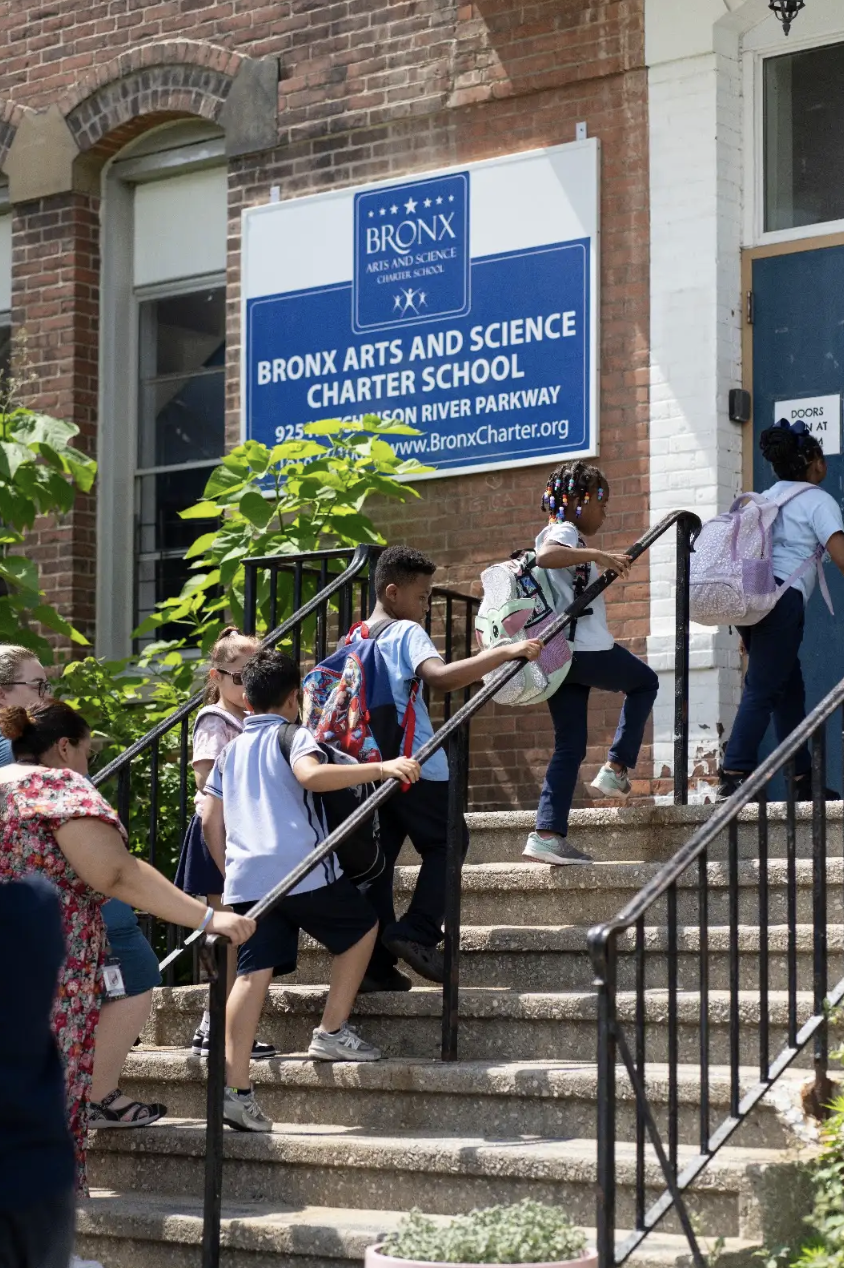
Our Bronx Arts & Science Charter School is still accepting applications for Pre-K and Kindergarten students. Applications close on Tuesday, March 31st, and the lottery will take place on Saturday, April 4th. New families who enroll will receive a $100 uniform voucher.
We are committed to building strong foundations for every child through high-quality instruction, caring teachers, and a supportive school community.
Visit our admissions page to learn more and apply today. Your child’s future begins with the first steps in primary school.