Learning how to choose the best school for your child is one of the most important decisions parents will make for their children. The right learning environment can shape a child’s academic foundation, social development, and long-term success.
With various school options available today, including public, private, magnet, and charter, it is crucial to assess what works best for your child’s individual needs and educational goals.
How are you supposed to know whether a charter school education is the right fit? The good news is that there are steps you can take to help you decide, and this guide will assist you. It will show you how to outline key things to consider when choosing a school and offer practical tips on how to choose the best school for your child.
What Are Charter Schools?
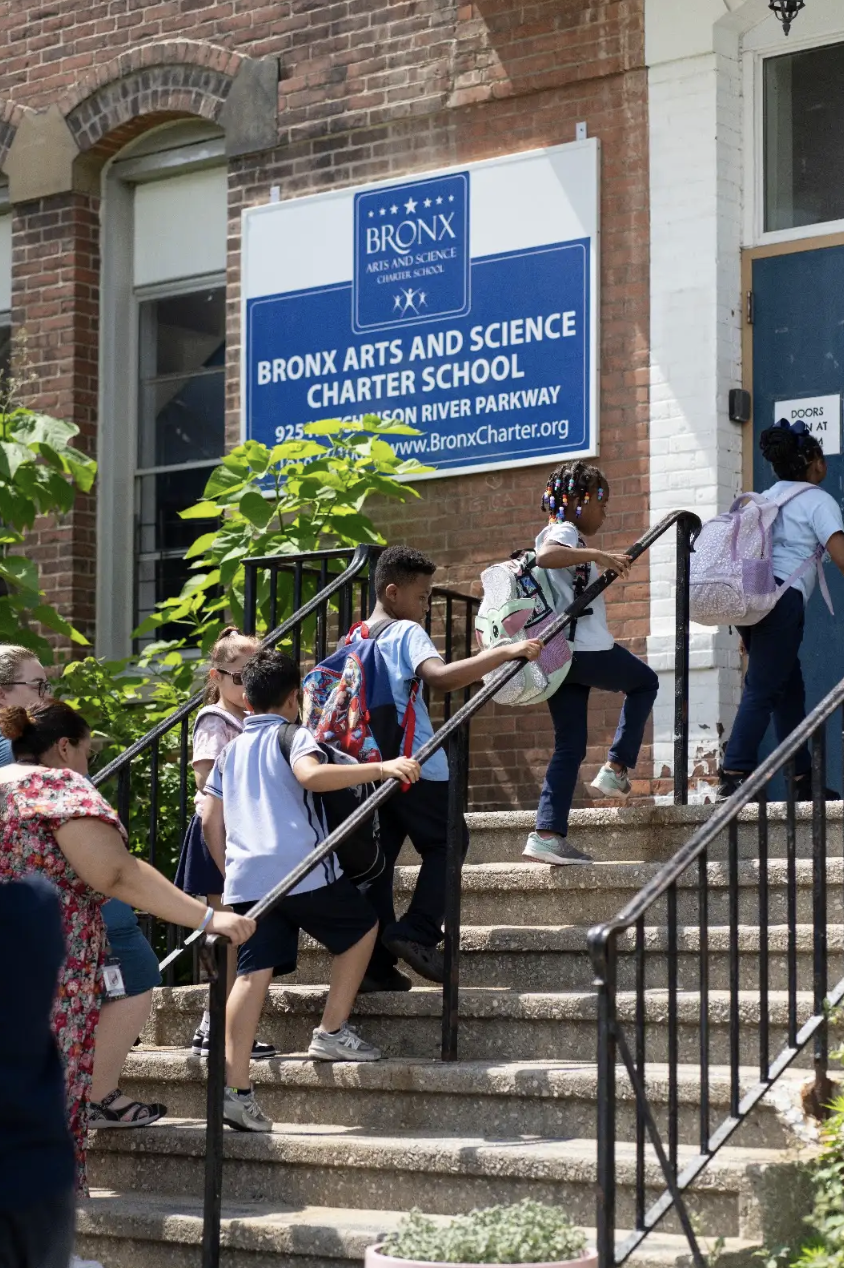
Charter schools are public schools that operate independently from traditional school districts. They are tuition-free and open to all students, but have greater flexibility in curriculum design, teaching methods, and school culture. In return, they are held to high standards for performance and accountability.
Charter schools are often founded with a specific mission or educational philosophy, which allows them to offer unique programs tailored to student needs. From STEM-focused curricula to character education and bilingual learning, charter schools provide alternatives that may not be available in traditional public schools.
At iLearn Schools, we believe choice is empowering, so let us look at some key factors to take into consideration when choosing the best school for your child.

Top Three Things to Consider When Choosing a School
To determine if charter school education is the right path, consider the following:
1. Your Child’s Learning Style and Interests
No two children are the same. Some thrive in structured environments, while others need more creative or individualized approaches. When looking at possible schools, ask yourself:
- Does your child need more academic rigor?
- Would they benefit from smaller class sizes or specialized programs?
- Are they interested in areas such as science, the arts, or technology?
Charter schools like iLearn Schools offer programs designed to support various learning styles and provide enrichment in areas that fuel student passions.
2. Academic Performance and Curriculum
A key factor in selecting the best school for your child is reviewing academic outcomes. Research the school’s performance on state assessments, college readiness scores, and graduation rates.
Look into the curriculum and ask:
- Is it aligned with state standards?
- Does it emphasize critical thinking, creativity, and real-world skills?
- Are advanced placement (AP) or enrichment programs offered?
At iLearn Schools, students benefit from a rigorous, college-preparatory curriculum that encourages innovation and excellence from kindergarten through high school.
3. Classroom Environment and Teacher Quality
A positive school culture and strong teacher-student relationships make a significant impact. When visiting a school or attending information sessions, pay attention to:
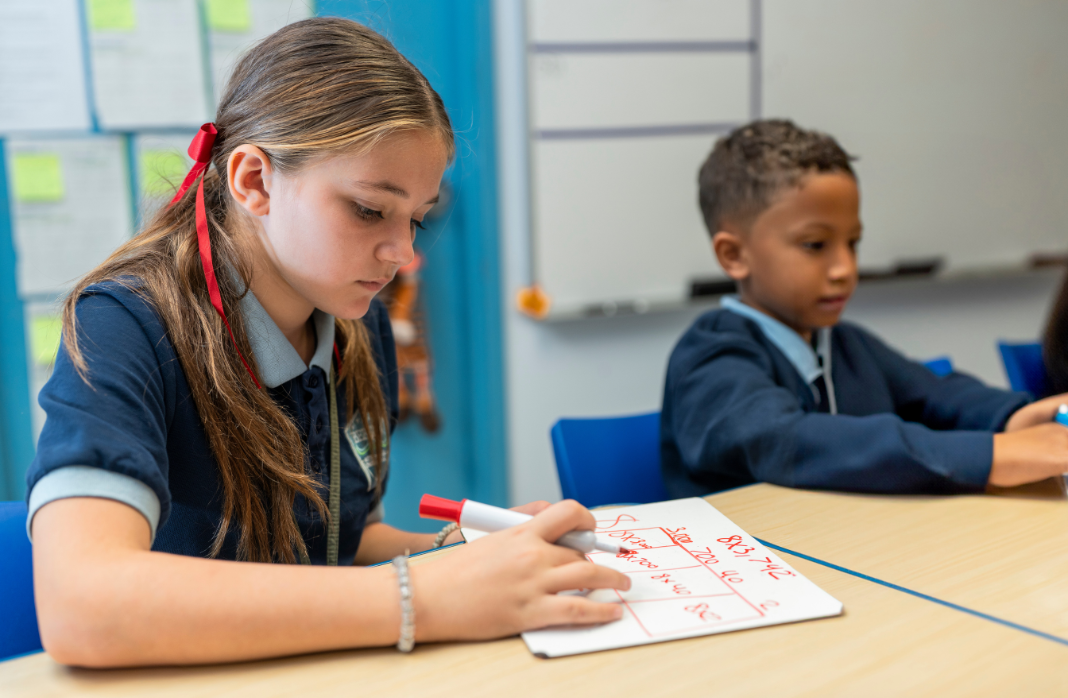
- Student engagement in the classroom
- Teacher qualifications and experience
- Class size and student-to-teacher ratio
These indicators help reveal whether your child will receive the attention and guidance needed to succeed.
The Pros and Cons of Charter Schools
When deciding whether charter school education is the right fit, it is essential to understand both its strengths and potential limitations.
Strengths of Charter Schools
- Innovative Curriculum: Many charter schools have the freedom to design unique academic models.
- Strong Community and Values: Schools often emphasize character education, civic responsibility, and community involvement.
- Focus on Equity: Charter schools are open to all students and often prioritize underserved communities.
- Parental Involvement: Families are encouraged to take an active role in the school community through various means, such as attending events, viewing live performances, and completing surveys, among others.
Potential Weaknesses to Consider
- Limited Extracurricular Options: Some charter schools may offer fewer sports or arts programs due to budget limitations.
- Transportation May Vary: Unlike traditional public schools, transportation is not always provided.
- Enrollment Cap: Charter schools often have waitlists or enrollment lotteries due to high demand.
By weighing these factors, you can make an informed decision about whether this type of school will meet your child’s educational needs.
Why Take the Time to Learn How to Choose the Best School for Your Child?
Choosing a quality school goes beyond academics. It involves selecting a nurturing environment that promotes emotional well-being, inspires curiosity, and helps your child grow into a confident and capable individual.
Put simply, a good school:
- Encourages intellectual and personal growth
- Promotes safety and inclusivity
- Supports parental involvement and communication
- Prepares students for future academic and career success
iLearn Schools and other charter schools are built on these pillars, striving to give every student the tools they need to succeed in a rapidly changing world.

How to Evaluate a Charter School
Once you have identified a charter school of interest, take these steps to determine if it is the right fit:
1. Review the Mission and Vision
Does the school’s mission align with your family’s values? Schools with a strong, student-focused vision often maintain high standards and a supportive culture.
2. Check State Report Cards and Accreditation
Use your state’s education department website to check academic reports and school ratings. Accredited schools demonstrate a commitment to continuous improvement and excellence.
3. Schedule a Visit or Attend an Open House
There is no substitute for seeing a school in action. During your visit, observe classroom activities, speak with administrators and teachers, and take note of the school environment.
4. Talk to Other Parents
Hearing from other families can give you a real-world perspective on the school’s strengths and challenges. Ask about student engagement, homework expectations, and communication with teachers.
5. Ask About Support Services
If your child needs additional academic, social, or emotional support, inquire about special education programs, tutoring services, and counseling availability.
About iLearn Schools
At iLearn Schools, we believe every child deserves access to a high-quality, engaging education that prepares them for life beyond the classroom.
Our network of public charter schools serves students across New Jersey in Bergen, Hudson, Passaic, and Paterson counties, as well as the Bronx, New York. We offer a student-centered, technology-enhanced learning environment that empowers each learner to reach their full potential.
Our core programs include:
- Rigorous academic instruction with STEM and college-readiness focus
- Social-emotional learning and character development
- Dedicated staff and personalized attention
- Family and community partnerships that enhance student success
iLearn Schools is committed to equity, innovation, and excellence in education. We serve students from diverse backgrounds and maintain high expectations while providing the necessary supports to ensure every child thrives.
Making the Best Choice for Your Family
Deciding on your child’s education is a deeply personal decision. After considering your child’s needs, thoroughly researching options, and understanding the strengths and limitations of charter school education, you will be able to make a confident decision.
If you are asking yourself how to choose the best school for your child, do not overlook the value that a well-run charter school can offer. From individualized instruction to mission-driven learning environments, charter schools like iLearn Schools help students build a strong foundation for future success.
If you believe your child would thrive in a supportive, challenging, and future-ready charter school environment, we invite you to learn more about admissions at iLearn Schools.