The modern workforce requires more than just memorizing facts or scoring well on standardized tests. It demands innovation, collaboration, and adaptability. One approach to learning that nurtures these vital qualities is STEAM education. But what is STEAM education, and why is it important?
As a parent, you want to ensure your child has the skills and mindset needed to thrive in a rapidly evolving world. How does STEAM in early childhood education help lay the groundwork for future successes?
Why Is STEAM Education Important?
STEAM stands for Science, Technology, Engineering, Arts, and Mathematics. Unlike traditional teaching methods that separate subjects into distinct silos, STEAM education emphasizes interdisciplinary learning. It integrates these five fields into a cohesive curriculum that encourages students to apply knowledge in real-world contexts.
But what exactly is STEAM education, and why is it important? At its core, STEAM is about more than mastering specific content areas. It cultivates skills like problem-solving, critical thinking, creativity, communication, and collaboration. All of these are essential for navigating the future workforce.
By weaving together analytical and creative disciplines, STEAM helps students learn how to approach challenges from multiple angles. Whether designing a bridge, coding a game, or composing a digital animation, students in a STEAM environment are constantly using both logic and imagination.
STEAM Education for Kids Helps Foster Tomorrow’s Innovators
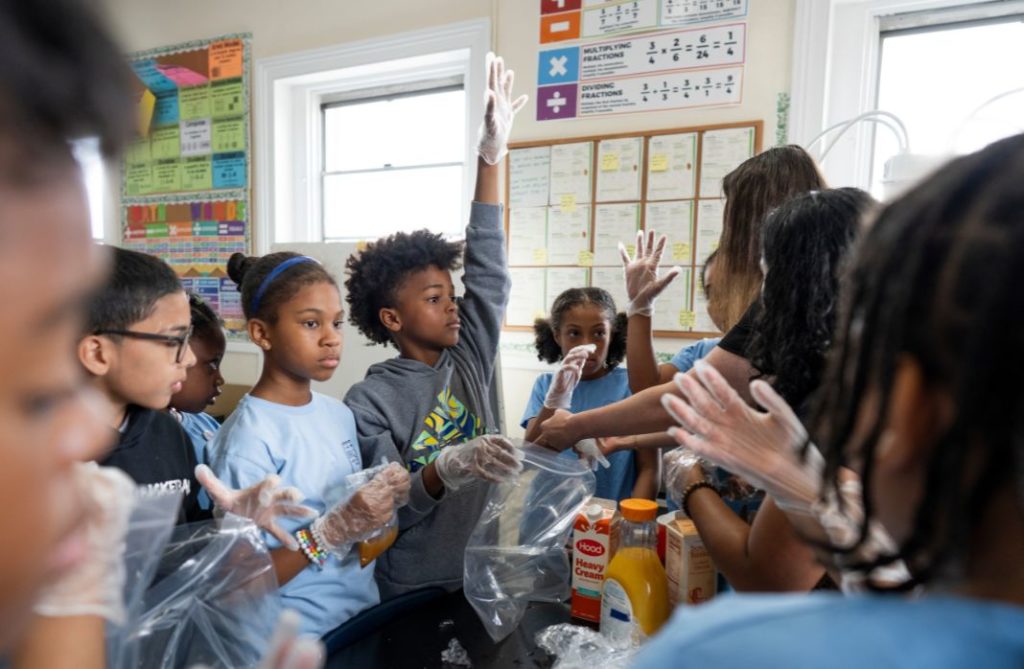
The early years of education are a critical window for cognitive and emotional development. STEAM education for kids takes advantage of this formative period by introducing young learners to the concepts and skills that will serve them well throughout life.
In a STEAM-centered classroom, students may explore:
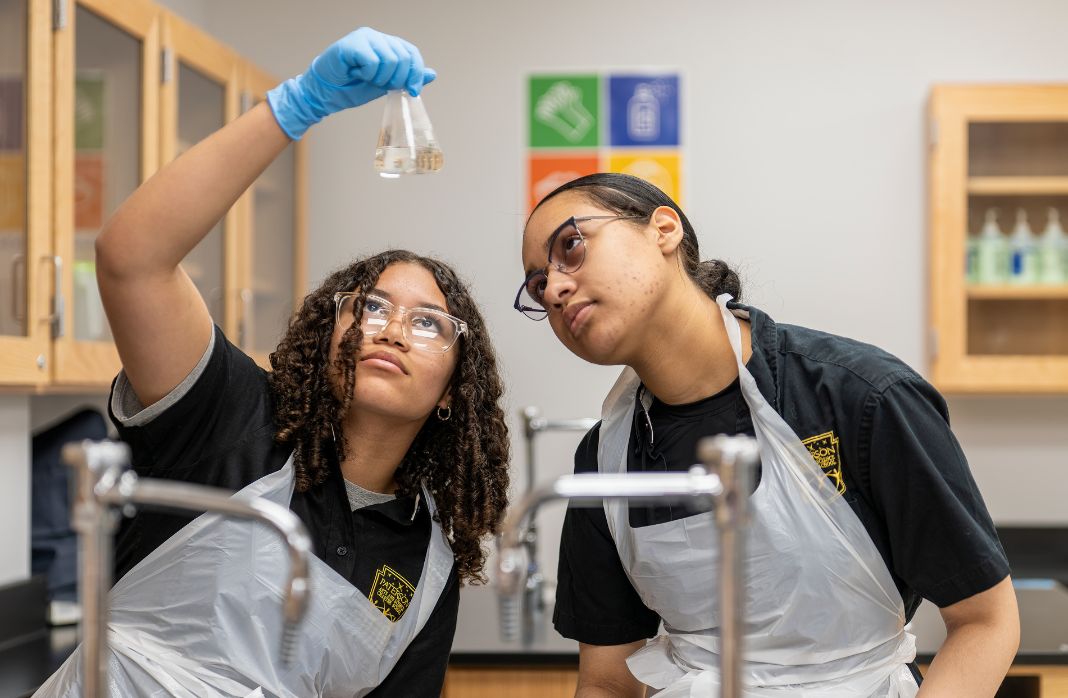
- How plants grow under different conditions (Science)
- How to use tablets to record observations (Technology)
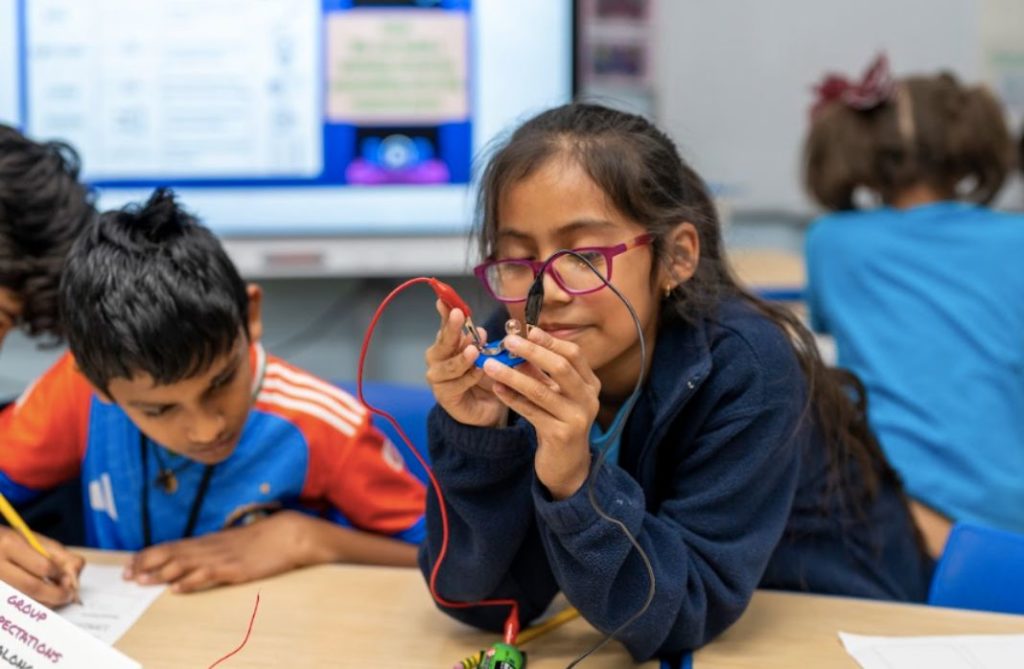
- How to build basic structures with blocks or recycled materials (Engineering)
- How to illustrate or dramatize their learning through creative expression (Arts)
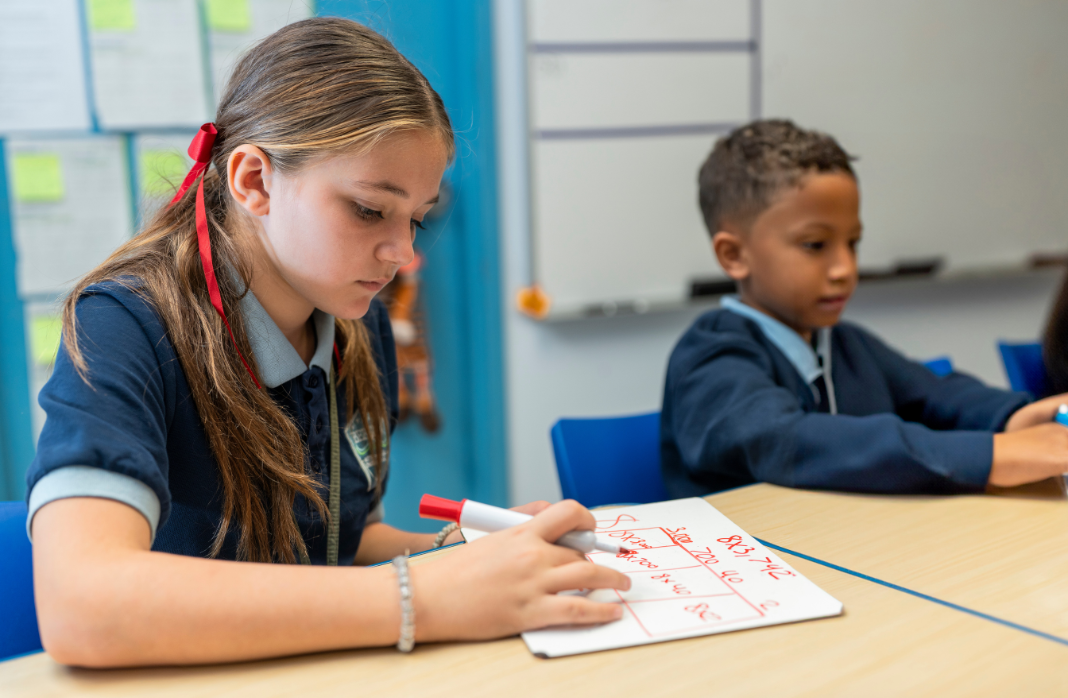
- How to measure and compare their findings (Mathematics)
This approach helps children see the connections between disciplines, reinforcing the idea that learning is not isolated but interconnected, just like the world around them.
The Role of STEAM in Early Childhood Education
You may wonder why STEAM in early childhood education is such a growing focus among educators. The answer lies in how young children naturally learn.
Early learners are curious, energetic, and eager to explore their surroundings. They ask questions, test ideas, and learn by doing. These behaviors align beautifully with the principles of STEAM education.
Introducing STEAM concepts early:
- Nurtures curiosity and encourages lifelong learning
- Builds confidence in tackling open-ended problems
- Improves language development through collaborative discussions
- Enhances motor skills through hands-on activities
- Supports emotional growth by allowing children to take risks and learn from failure
STEAM in early childhood education also helps close opportunity gaps. When all students, regardless of background, are introduced to STEAM early on, they are more likely to pursue higher-level math, science, or art courses later. It creates opportunities for various jobs and encourages innovative thinking.
Preparing Students for Future Careers Through Real-World Relevance
In today’s technology-driven society, many future careers will require a STEAM-related skill set. From software development and biomedical engineering to sustainable design and data analysis, jobs in STEAM fields are growing quickly and evolving constantly.
According to the U.S. Bureau of Labor Statistics, occupations in STEM (science, technology, engineering, and math) are projected to grow faster than average through the next decade. Including the arts in STEAM makes the model even more robust, recognizing that creativity, empathy, and storytelling are essential parts of innovation.
When children engage with STEAM education, they gain exposure to potential careers and start building the confidence to explore those fields. This exposure demystifies technical subjects and shows their relevance to everyday life.
The Lifelong Benefits of STEAM Beyond Academics
One of the most powerful aspects of STEAM education is that its benefits extend well beyond academics. Through its emphasis on real-world problem-solving and collaboration, STEAM helps children develop essential life skills.
These include:
- Resilience: Learning how to fail, revise, and try again
- Teamwork: Working effectively with peers to solve problems
- Adaptability: Adjusting to new tools, ideas, and challenges
- Communication: Clearly expressing thoughts and understanding others
- Empathy: Appreciating diverse perspectives and experiences
By engaging in STEAM early on, students develop a mindset that values effort, embraces challenge, and sees learning as a lifelong journey. These are the very qualities that will serve them on any path they choose, whether it involves science, art, business, or service.
What STEAM Education Looks Like at iLearn Schools
At iLearn Schools, we believe every child deserves a well-rounded, forward-thinking education that prepares them for success in school and beyond. Our STEAM curriculum is designed to spark creativity, foster innovation, and empower students to become leaders in their communities.
Our approach includes:
- Project-based learning where students design, test, and present real-world solutions.
- Technology integration that allows students to explore coding, robotics, and multimedia tools.
- Arts programming that deepens engagement and encourages expressive thinking.
- Collaborative challenges that mirror professional problem-solving scenarios.
From kindergarten through high school, our students have access to hands-on experiences that ignite passion and purpose. We intentionally nurture the link between STEAM in early childhood education and long-term academic success, knowing that a strong foundation leads to brighter futures.
How You Can Support STEAM Education at Home
Parents play a crucial role in supporting STEAM education for kids. Here are a few simple ways to encourage learning at home:
- Ask open-ended questions like “What do you think will happen?” or “Why did that work?”
- Provide simple materials for building, creating, and experimenting (such as cardboard, magnets, or measuring cups).
- Read books that explore STEAM themes and celebrate diverse inventors, scientists, and artists.
- Encourage creativity through drawing, storytelling, or music-making.
- Use technology intentionally to explore educational apps, coding games, or online art galleries.
You do not need to be an expert in science or engineering to foster a STEAM-friendly environment. Simply nurture your child’s natural curiosity and celebrate the process of learning as much as the outcome.
The Future Is STEAM-Powered
Understanding what STEAM education is and why it is important is the first step in helping your child thrive in a changing world.
With early exposure, thoughtful instruction, and support from both educators and families, children can build the skills, confidence, and creativity they need to shape a better future.
If you are ready to see how STEAM education can benefit your child, we invite you to learn more about the dynamic programs at iLearn Schools. Our STEAM curriculum is designed to engage learners of all ages and inspire a love of innovation, exploration, and discovery.
For more information about iLearn Schools and our mission to prepare students for lifelong success, click here to learn more and begin your child’s journey today.