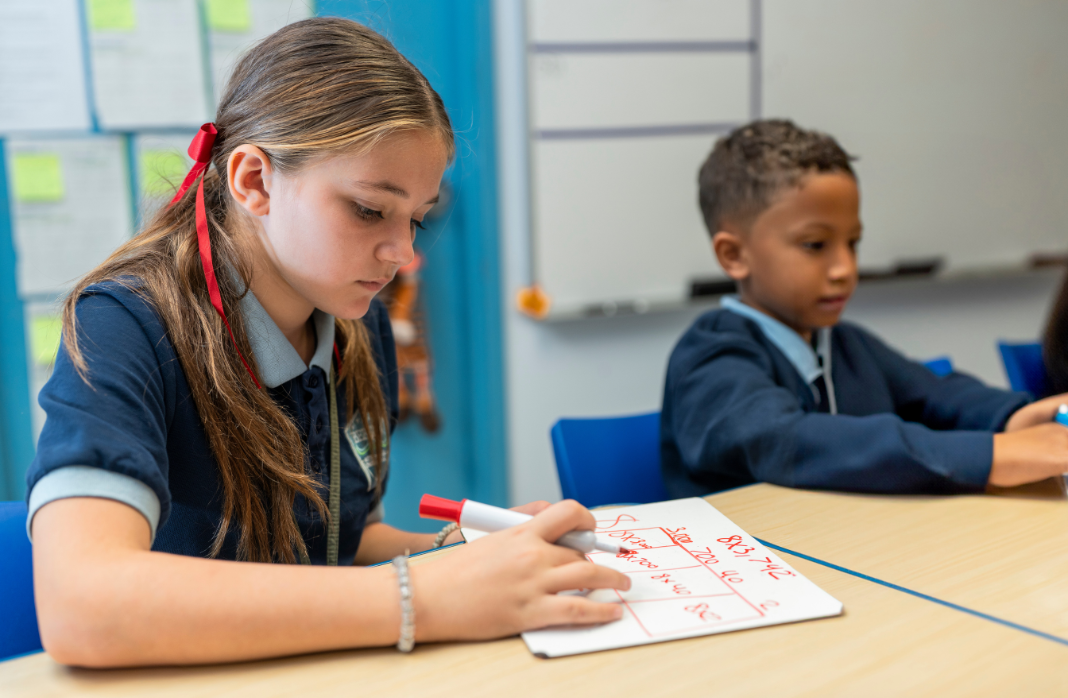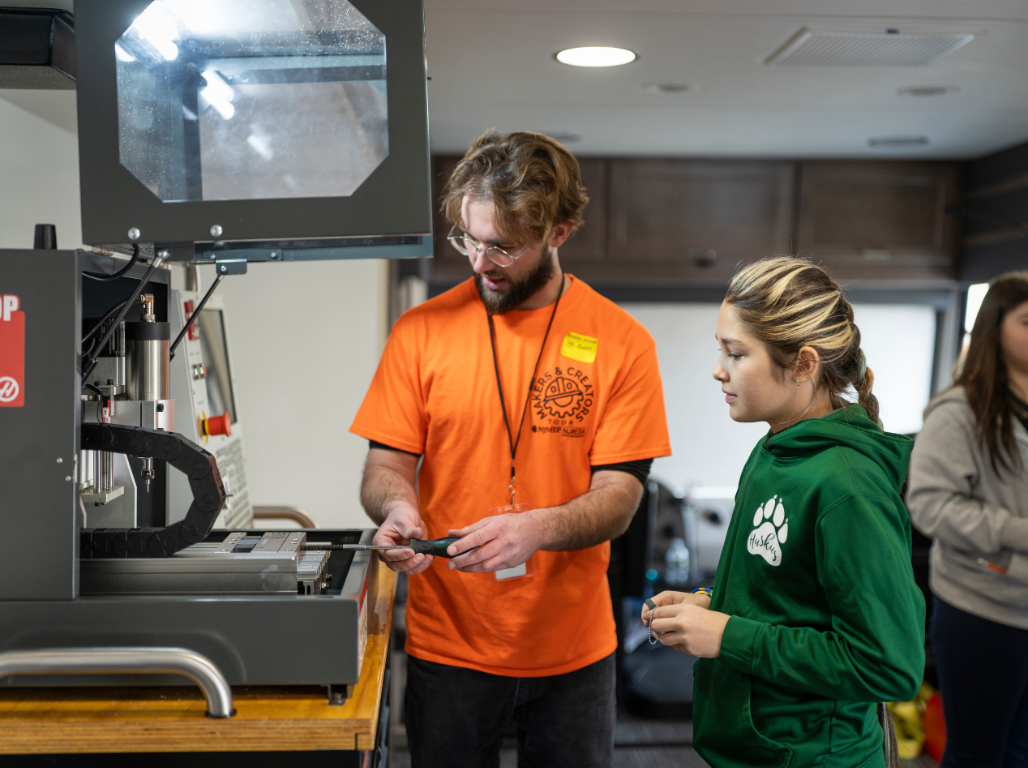
So what does STEAM stand for? Many parents have heard the term, but still wonder what it exactly includes and why schools are making it such a major focus. Simply put, STEAM stands for Science, Technology, Engineering, Arts, and Mathematics.
These five areas work together to help students think creatively, solve problems, and understand how different subjects connect in real life. In the early years of school, students develop foundational skills in these areas. As they grow older, STEAM prepares them for the world they will enter after graduation.
The primary difference between STEAM and the more familiar STEM model is the addition of the Arts. This is important because the Arts bring creativity, design, communication, and emotional expression into learning.
When you explore STEAM vs STEM, the biggest gain becomes clear: students learn to think in more flexible and innovative ways. For parents, this means your child gains skills that are useful in school, college, and future careers.
What Does STEAM Stand For in Today’s Classrooms?
To fully understand what STEAM stands for, it helps to look at each part:
- Science: Students explore the natural world through experiments and questions.
- Technology: Students use digital tools to create, discover, and solve problems.
- Engineering: Students design, build, and test inventions or structures.
- Arts: Students use creativity, imagination, and design thinking to enhance their projects.
- Mathematics: Students develop logic and number sense that supports problem-solving.
When these areas blend together, learning becomes more active and engaging. Instead of simply reading about topics, students apply knowledge in meaningful ways.
This is one of the reasons many families and educators talk about the importance of STEAM education. It helps children understand the “why” behind what they learn.
For example, a lesson about bridges may combine all five STEAM areas. Students may learn about force and motion (science), measure materials (math), create a model (engineering), use a digital tool to plan (technology), and design an appealing layout (arts). This way, learning feels connected and purposeful.
Why the Arts Matter in STEAM
The arts may seem like an unexpected addition to STEM, but they are essential for a well-rounded learning experience. The arts include visual arts, music, writing, dance, theater, and design.
But in STEAM, the arts also include problem-solving methods such as brainstorming, imagining new possibilities, and creating a project that tells a story.
Many schools, including charter schools, include the arts because they help students think creatively. The arts help children express ideas, understand emotions, and build confidence. They learn to communicate their thinking, which is important in every subject.
This is especially true today, when students need more than just technical knowledge. They need creativity and adaptability. A student who can design a science project, explain it clearly, and show original thinking is ready for any future path.
The Importance of STEAM Education for All Students
Parents often ask about the importance of STEAM education and why schools place so much value on it. The answer is simple: STEAM builds skills that students will use throughout their lives. These skills help children become strong thinkers, problem solvers, and leaders.
Here are some of the most important reasons why STEAM matters:
1. STEAM Builds Critical Thinking Skills
STEAM encourages students to ask questions, test their ideas, and reconsider solutions. These skills enable them to handle challenges both in and out of school. When students learn to think critically at a young age, they build a strong foundation for future success.
2. STEAM Encourages Creativity and Innovation
The arts play a powerful role in encouraging creativity. When students design a project or create a new idea, they learn how to think outside the box. This is a key difference highlighted when families search for STEAM vs STEM. Adding creativity helps students imagine solutions that are both practical and original.
3. STEAM Helps Students Try and Learn from Mistakes
Everyone makes mistakes, but STEAM teaches students that mistakes are an essential part of the learning process. When a project does not work the first time, students reflect, adjust, and try again. This builds resilience, patience, and confidence.
4. STEAM Prepares Students for Future Careers
Many modern jobs use science, technology, engineering, arts, and math every day. Even careers that are not directly related to STEAM benefit from the skills students learn.
The importance of STEAM education becomes clear when you think about careers in medicine, design, architecture, programming, teaching, engineering, or business. STEAM helps students develop the teamwork, problem-solving, and communication skills needed in today’s world.
5. STEAM Strengthens Collaboration and Communication
In STEAM projects, students work in teams. They learn to share ideas, listen to others, and find solutions together. These are essential life skills that help children become strong community members.
STEAM in Charter Schools Provides a Strong Foundation for Learning
Charter schools often provide more flexibility in how subjects are taught. This means teachers can create hands-on, project-based lessons that support STEAM learning every day.
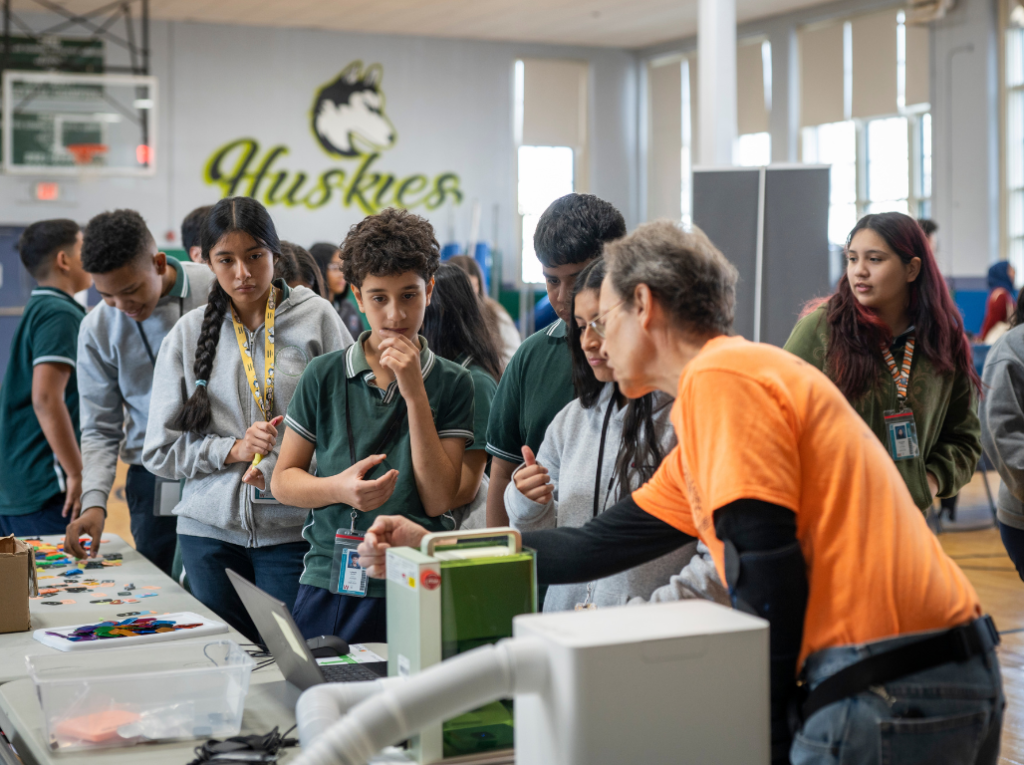
Students may participate in robotics, coding, art showcases, science fairs, or engineering challenges. These experiences help students see how their lessons connect to the real world.
Parents appreciate this approach because it supports different learning styles. Students who enjoy art or creativity find a place in STEAM learning. Students who love technology or math also find ways to shine.
When parents ask, ‘What does STEAM stand for?’ they discover that STEAM is not just a group of subjects. It is a way of teaching and learning that helps every child succeed.
The importance of STEAM education is clear in classrooms where students explore, create, question, and design. Charter schools can make this possible by giving teachers freedom to build innovative lessons that keep students engaged.
How STEAM Helps Students Become Lifelong Learners
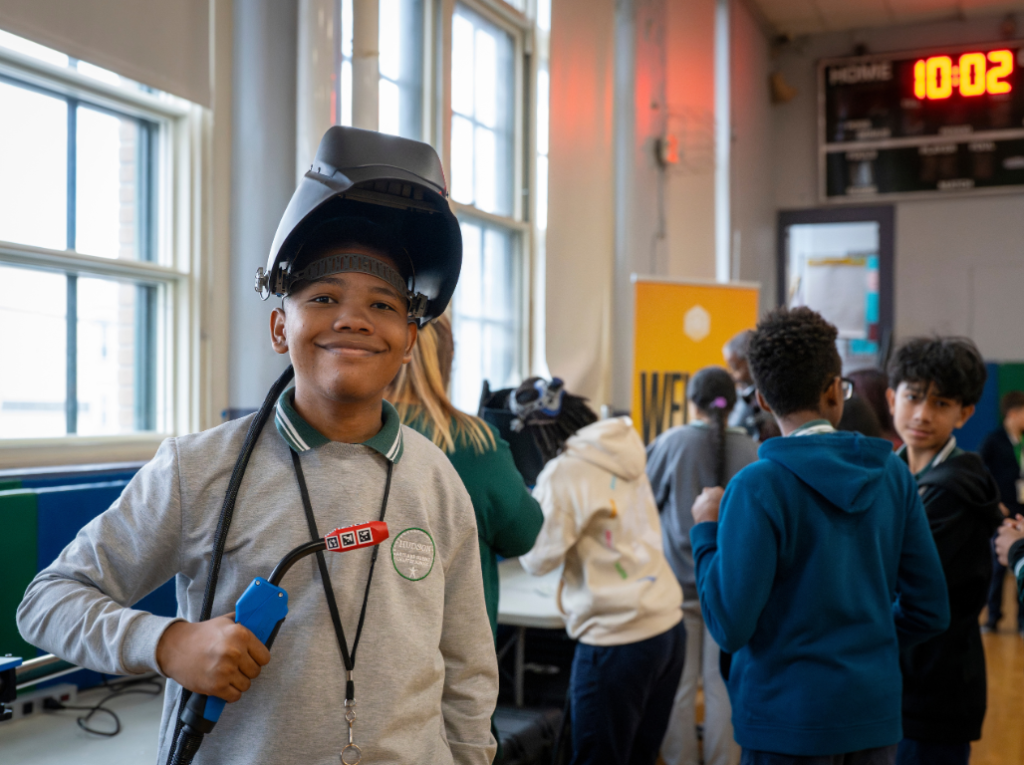
One of the other key factors that makes STEAM so popular with parents is the way it encourages children to develop a lifelong enthusiasm for learning. It promotes curiosity, invites exploration, and helps students take pride in their creations. When learning feels meaningful and exciting, students stay motivated in school.
In addition, the arts help students make emotional connections to their learning. Whether they are designing a model, writing a script, or illustrating a science idea, they express themselves in unique ways. This builds confidence and joy in learning.
The focus on teamwork also prepares students for future academic settings and careers. They learn how to lead, support others, and communicate ideas clearly. These are skills they will carry long after they leave the classroom.
Why STEAM Matters More Than Ever
So, we ask again: What does STEAM stand for? Understanding the basics is only the beginning. The true value of STEAM lies in the way it shapes students into creative, confident, and capable learners.
When science, technology, engineering, arts, and mathematics work together, students gain a stronger and more complete education. They learn to explore, build, innovate, and imagine. This is why so many schools and families see the importance of STEAM education for every child.
At iLearn Schools, STEAM is at the heart of our learning experience. Every child deserves a strong foundation in creativity, problem-solving, and innovation. We are currently accepting applications. To learn more about how STEAM plays a central role in our charter school classrooms, please visit our Admissions page and enroll your child today.