As careers continue to evolve, families want to know how students can prepare for a future that looks very different from today. Many of the fastest-growing fields now require strong skills in science, technology, engineering, the arts, and mathematics. These fields are known as STEAM, and the demand for STEAM education jobs continues to rise across industries.
Charter schools play an important role in preparing students for these exciting opportunities, helping them gain the problem-solving, creativity, and teamwork skills needed in tomorrow’s workforce.
Why STEAM Matters for the Future of Work
The world is changing quickly. New technologies, such as artificial intelligence, robotics, and clean energy tools, are shaping how people work. Students who build STEAM skills early gain a strong advantage as they explore future careers.
The benefits of STEAM education for students reach far beyond the classroom. It helps them:
- Think creatively and solve real problems
- Work well in teams
- Understand how things are built, designed, and improved
- Develop confidence when tackling new challenges
Many employers want workers who know how to ask questions, test ideas, and create new solutions. These abilities come from strong STEAM learning experiences, which charter schools weave into their daily lessons, projects, and hands-on activities.
Growing Industries That Need STEAM Skills
Across the United States, companies are searching for workers with STEAM backgrounds. From engineering and healthcare to digital design and environmental science, STEAM skills help students enter careers that are both meaningful and in high demand.
Because STEAM education jobs keep expanding, students with these skills will have a greater range of choices as they move into college and career pathways. Below are some of the major industries that rely on STEAM knowledge.
1. Engineering and Technology
Engineering jobs remain some of the most stable and well-paid careers. Students can explore mechanical engineering, civil engineering, computer engineering, electrical engineering, and more. Technology roles, including software developers and data analysts, are also rapidly growing.
According to data from the U.S. Bureau of Labor Statistics, many engineering and technology occupations continue to grow much faster than average, especially in areas connected to computer science, renewable energy, and advanced manufacturing. These trends show how strong problem-solving and math skills support long-term career success.
2. Healthcare and Medical Innovation
Healthcare is also one of the fastest-growing fields in the nation, and many roles do not require medical degrees. Students who build strong STEAM skills can pursue careers that improve lives, support research, and advance medical innovation.
The National Institutes of Health highlights the importance of scientific literacy and analytical thinking in fields such as medical imaging, laboratory science, and biotechnology.
3. Sustainability and Environmental Science
As communities focus on protecting the environment, jobs in sustainability continue to expand. Students can pursue careers in renewable energy, climate science, wildlife conservation, water quality testing, and environmental engineering. These jobs combine problem-solving with creativity to help make the world cleaner and healthier.
4. Digital Arts and Design
Many parents are surprised to learn that the arts play a major role in STEAM. Careers in graphic design, animation, video game development, and digital content creation all rely on STEAM thinking. Students learn how creativity and technology work together, preparing them for modern design careers that shape media, entertainment, and communications.
How STEAM Prepares Students for Real Career Pathways
Charter schools across the country understand the importance of giving students early exposure to STEAM career opportunities. Schools like iLearn Schools offer hands-on learning experiences, technology-rich classrooms, and project-based lessons that help students understand how STEAM connects to the real world.
Everyday Learning That Builds Future Skills
Students practice STEAM skills every day through:
- Robotics
- Coding and computer science
- Engineering challenges
- Lab experiments
- Art and design projects
- Math applications
- Creative problem-solving tasks
These experiences teach students to explore ideas, test solutions, and communicate their process. Each of these skills is essential for future careers.
Real-World STEAM Experiences
Many charter schools also connect students with real professionals. They may bring in guest speakers, host career fairs, or participate in robotics competitions, science fairs, and engineering showcases. These opportunities give students a closer look at the broad range of STEAM career opportunities available to them.
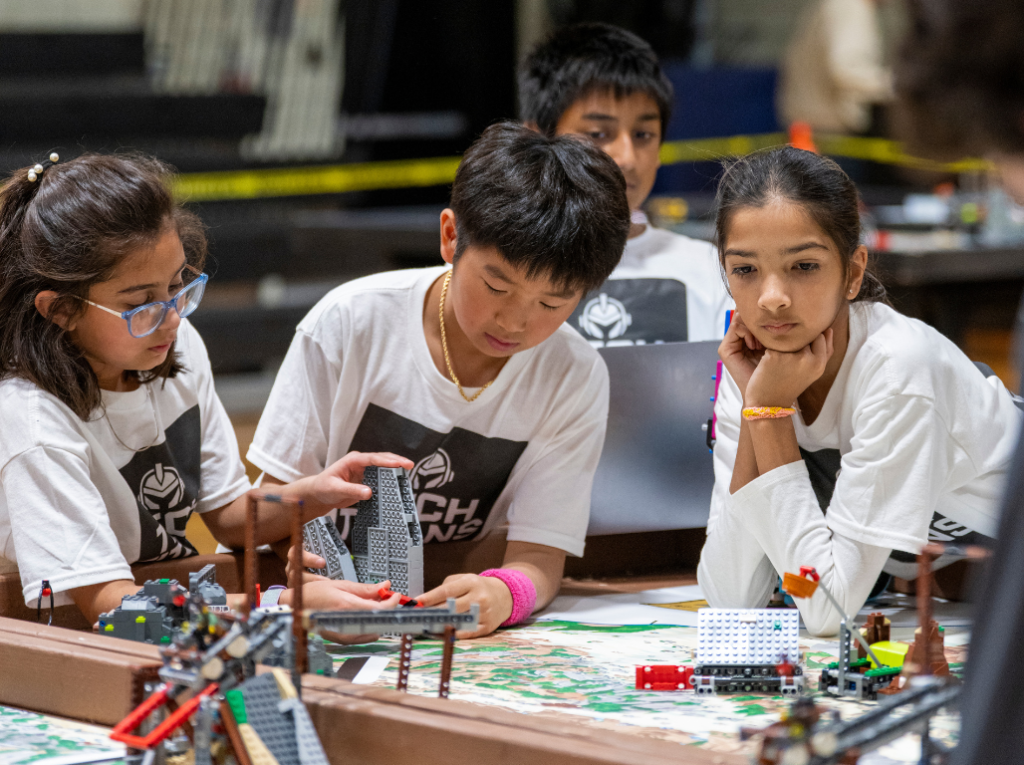
At iLearn Schools, students join programs such as FIRST LEGO League robotics (FLL), STEAM showcases, and design competitions. These activities help them learn to work collaboratively, manage projects, solve problems, and present ideas, skills needed in all STEAM education jobs.
STEAM Education Jobs That Students Can Prepare for Today
STEAM career pathways are not only for college graduates. Many growing fields welcome workers with two-year degrees, certificates, or specialized training. For families exploring future opportunities, here are examples of careers that rely heavily on STEAM learning:
Engineering and Technology Careers
- Civil engineer
- Software developer
- Data analyst
- Computer programmer
- Robotics technician
- Cybersecurity specialist
Healthcare and Science Careers
- Laboratory technician
- Radiology technologist
- Medical researcher
- Environmental scientist
- Pharmacy technician
Digital Arts and Creative Careers
- Graphic designer
- Animator
- User experience (UX) designer
- Video editor
- Game designer
Sustainability and Green Careers
- Solar energy technician
- Environmental engineer
- Water quality analyst
- Conservation technician
These jobs require individuals who can think critically, use technology, create solutions, and work with others. STEAM education helps students develop exactly these abilities.
The Benefits of STEAM Education for Students in Charter Schools
Charter schools have the flexibility to build unique programs that give students stronger access to hands-on STEAM learning. The benefits of STEAM education for students include:
1. Increased Engagement
Students learn through experiments, real-world problems, and creative projects. This makes learning more exciting and encourages curiosity.
2. Stronger Academic Confidence
When students solve problems creatively, test ideas, and see improvement, their confidence grows across subjects.
3. Better Preparation for Future Careers
Students learn how to think, design, build, and analyze. These abilities are essential for the many STEAM education jobs in the workforce.
4. Opportunities for Leadership and Teamwork
STEAM projects often require group work. This helps students build communication and leadership skills.
How Charter Schools Support STEAM Career Opportunities
Charter schools, including iLearn Schools, design programs that prepare students for long-term success. They may offer:
- Coding classes starting in early grades
- Robotics teams and competitions
- STEAM clubs and afterschool activities
- Advanced science and math courses
- Engineering and design labs
- Partnerships with colleges and organizations
These opportunities help students see themselves in STEAM fields and understand their potential.
Students gain hands-on experience that mirrors what they may encounter in real STEAM education jobs later in life. They also learn how to set goals, manage challenges, and think creatively.
STEAM Education Jobs and the Workforce of Tomorrow
As students prepare for a future shaped by technology and innovation, their STEAM skills become even more important. A strong STEAM foundation opens doors to meaningful, stable, and well-paid careers.
It prepares students for college, career programs, internships, apprenticeships, and work opportunities that value creativity, problem-solving, and technical skills.
The future workforce will include jobs that do not exist yet, but one thing is clear: STEAM education will help students succeed in them.
Preparing Your Child for a STEAM-Focused Future
Families want their children to be ready for a bright and successful future. Charter schools with strong STEAM programs give students the tools they need to explore new interests, grow academically, and discover exciting STEAM career opportunities.
If you want your child to join a school community that prepares them for tomorrow’s world, we welcome you to learn more about iLearn Schools. We are currently accepting applications for the upcoming school year.
Visit our Admissions page to learn more and get your application started.