Music programs at charter schools play a powerful role in shaping well-rounded students. While reading, math, and science are important, music brings a different kind of learning into the classroom.
It helps students build confidence, express emotions, and develop crucial life skills. For many families, understanding the value of music education can help guide decisions about their child’s school experience.
In today’s world, schools focus on academic success, but also aim to support the whole child. This is where music programs step in. They provide students with creative outlets that strengthen focus, discipline, and teamwork. The benefits go far beyond learning how to play an instrument or sing a song.
Why Music Programs Matter in Education
Music is an essential part of arts education and student success, and national organizations such as the National Association for Music Education continue to stress that school is where all children should have access to music.
Music supports emotional growth. Students can express feelings through sound and rhythm, which helps build confidence and self-awareness. This is especially helpful for students who may struggle to express themselves in other ways.
This is one reason music programs at charter schools continue to matter for students, families, and school communities.
Building Confidence Through Performance
One of the most visible benefits of music programs is the confidence students gain. Performing in front of others can feel challenging at first. Over time, students learn to overcome fear and take pride in their progress.
Music programs often include concerts, recitals, musicals, and school events. These opportunities give students a chance to showcase their hard work. Standing on stage and performing teaches courage and resilience.
Confidence gained through music can carry into other areas of life. Students may feel more comfortable speaking in class, participating in group work, or trying new activities. These small steps help build strong, confident learners.
Strengthening Teamwork and Collaboration
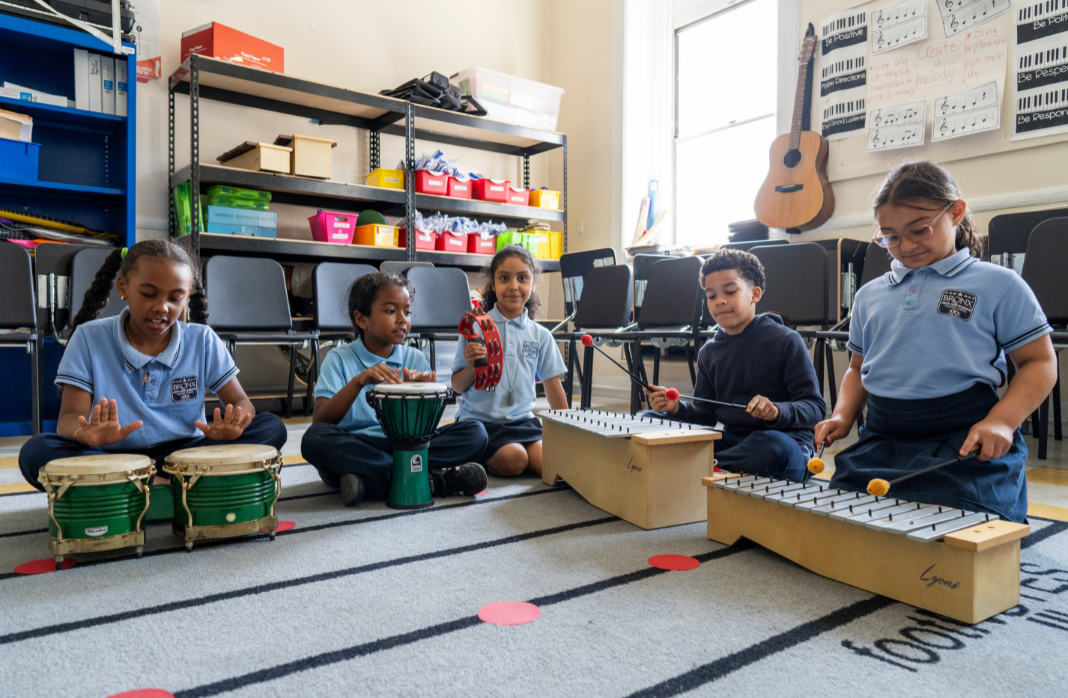
Music is rarely a solo experience in schools. Many programs include band, choir, or group performances. These settings teach students how to work together toward a shared goal.
In a band or choir, every student has a role. If one part is missing, the whole performance can be affected. This teaches responsibility and accountability. Students learn to listen to each other and adjust as needed.
These teamwork skills are valuable beyond music. They help students succeed in group projects, sports, and future careers. Learning how to collaborate is a key part of arts education and student success.
Supporting Academic Growth
The benefits of music programs extend even into the classroom. Music helps strengthen brain function in ways that support learning across subjects.
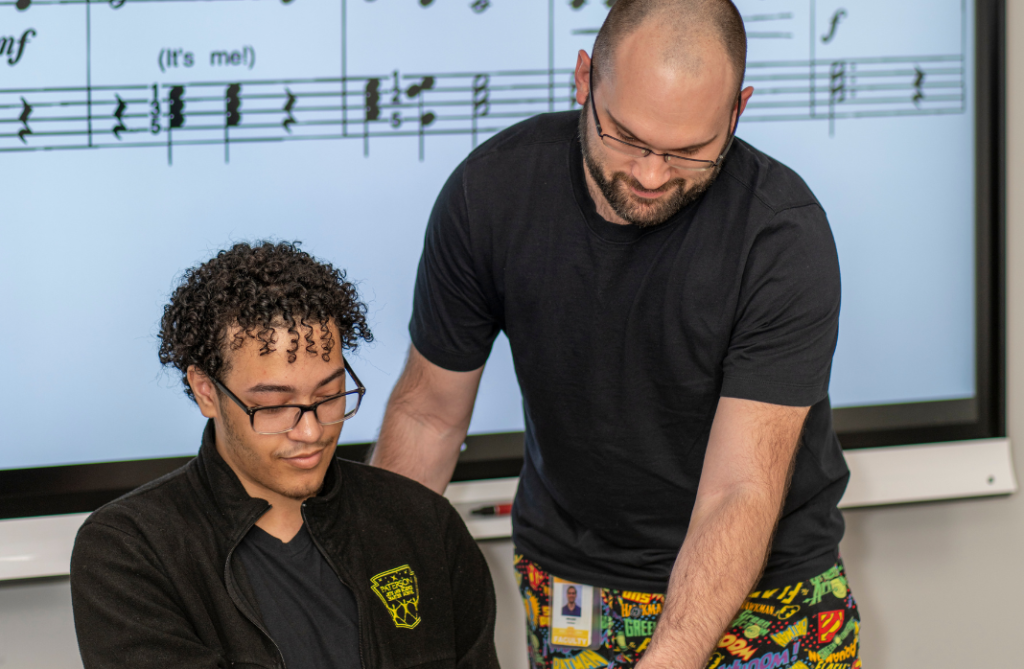
For example, reading music involves understanding symbols, patterns, and timing. These skills are similar to those used in math and reading. Students who study music often develop stronger problem-solving skills.
Music also improves memory. Students must remember notes, rhythms, and lyrics. This practice strengthens their ability to retain information in other subjects.
Research from the National Endowment for the Arts has also linked arts engagement to positive academic and social outcomes for young people, supporting the broader benefits of music programs in schools.
Encouraging Creativity and Self-Expression
Creativity is an essential skill for the future. Music allows students to explore their ideas and express themselves in unique ways.
Through music programs, students can compose songs, experiment with sounds, and develop their own style. This kind of creative thinking helps students become more flexible and open-minded.
Self-expression is also important to emotional well-being. Music gives students a safe space to share their thoughts and feelings. This can reduce stress and improve overall happiness.
When students feel supported creatively, they are more likely to stay engaged in school. Engagement leads to better learning outcomes and a stronger connection to their education.
Music Programs at Charter Schools and Community Connection
Music brings people together. School performances often involve families, teachers, and community members. These events create a sense of pride and connection.
Charter schools often place a strong focus on community engagement. Music programs support this by giving students opportunities to perform and share their talents.
Families enjoy seeing their children grow and succeed. These shared experiences help build strong relationships between schools and families. A supportive community plays a key role in student success.
The Long-Term Benefits of Music Programs
The benefits of music programs do not end when students leave school. The skills they gain can support them throughout their lives.
Students who participate in music often develop discipline, time management, and perseverance. These qualities are important in college and future careers.
Music can also open doors to new opportunities. Some students may choose to continue music as a hobby, while others may pursue it as a career. Even for those who do not continue, the skills they learned remain valuable.
Employers often look for individuals who can work well with others, think creatively, and stay committed to goals. Music education helps build all of these qualities.
Making Music Accessible for All Students
One of the strengths of music programs at charter schools is accessibility. Many charter schools work to ensure that all students have the opportunity to participate, regardless of background or experience.
Programs may include beginner classes, instrument access, and supportive instruction. This helps students feel comfortable trying something new.
Access to music education should not be limited. Every student deserves the chance to explore their interests and talents. Charter schools play an important role in making this possible.
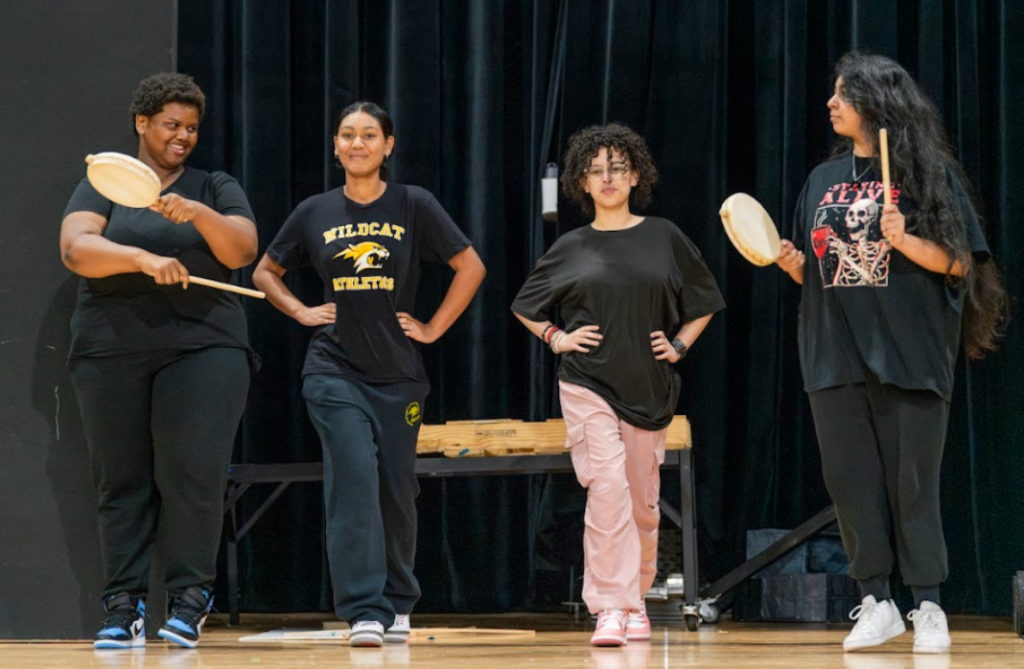
How Parents Can Support Music Education
Parents play a vital role in encouraging participation in music programs. Supporting a child’s interest in music can be simple and meaningful.
Here are a few ways parents can help:
- Encourage practice at home in a positive and supportive way
- Attend school performances and celebrate progress
- Talk about music and ask questions about what students are learning
- Provide opportunities to explore different types of music
These small actions can make a big difference. When students feel supported, they are more likely to stay engaged and motivated.
Music Programs at Charter Schools Help Shape the Whole Child
Music programs help students grow academically, socially, and emotionally. From building confidence to strengthening teamwork, the benefits are clear. Music supports arts education and student success in meaningful ways. It prepares students not only for school, but for life.
For families exploring educational options, music programs can be an important factor to consider. They offer students the chance to discover new passions and develop skills that last a lifetime.
If you are looking for a school that highlights the importance of music, as well as science, technology, engineering, and math, iLearn Schools provides high-quality STEAM-based education to support the whole child.
And if you missed the original application deadline, there is still time to apply.
Families can still apply for the 2026–2027 school year through our Extended Opportunity period. Applications will be placed on our extended waiting list and reviewed if seats become available.
Applications close on June 30, 2026. Learn more and apply today.