Technology is shaping the world around us. From smartphones to space exploration, innovation depends on people who know how to design, build, and solve problems. That is why robotics programs at charter schools are becoming an important part of modern education.
These programs give students the chance to learn by doing. Instead of only reading about science or math in a textbook, students design robots, test ideas, and work together to solve real challenges. This hands-on approach helps bring classroom lessons to life.
For many families, STEM robotics programs also make learning exciting and engaging. Students see robotics as both fun and meaningful. While they are building and programming machines, they are also learning important life skills such as teamwork, creativity, and critical thinking.
Parents who explore the benefits of robotics education discover that these programs prepare students for school success and future careers in technology, engineering, and other growing fields.
How Robotics Builds Real-World Skills
One of the biggest strengths of robotics education is how it helps students develop practical skills. Robotics projects challenge students to think carefully, test ideas, and keep improving their designs.
Problem-Solving
When students build a robot, things rarely work perfectly the first time. A robot may move too slowly, turn the wrong direction, or stop working entirely. Students must examine what went wrong and find ways to fix the problem.
This process teaches persistence and logical thinking. Students learn that mistakes are part of learning and that every challenge is an opportunity to improve.
Teamwork and Communication
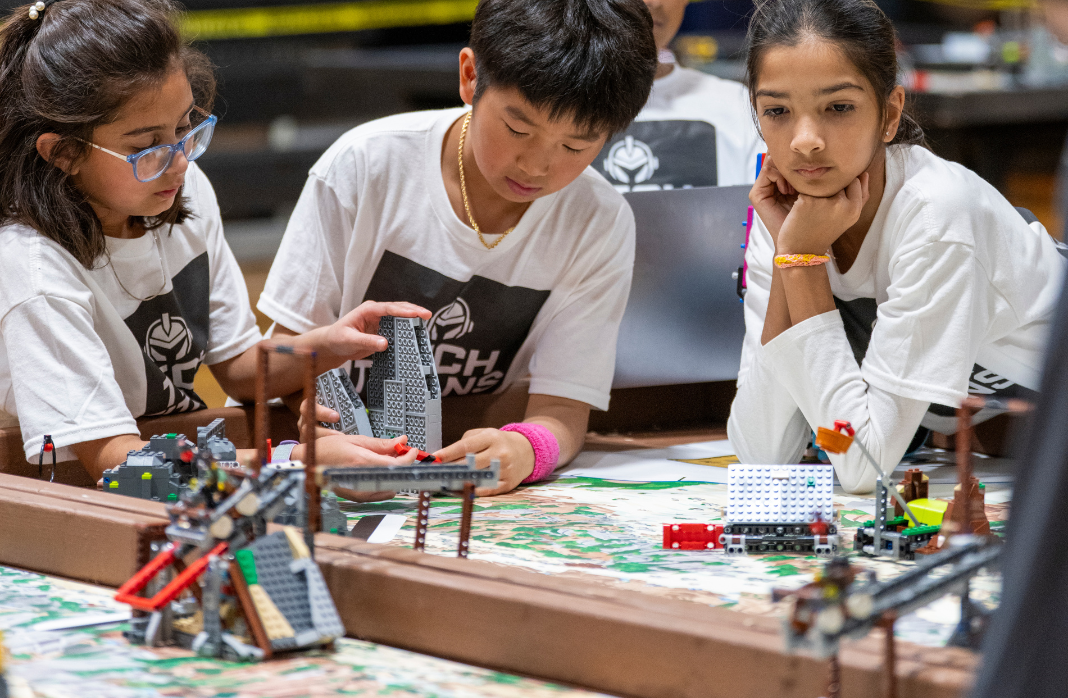
Many STEM robotics programs involve team-based projects. Students work together to design, build, and program their robots.
Each student may take on a different role. Some focus on coding, others on engineering design, and others on testing and improving the robot’s movements. To succeed, the team must communicate clearly and support one another.
These teamwork skills help students far beyond robotics competitions. Collaboration and communication are essential in nearly every career.
Technical and Engineering Skills
Robotics programs also introduce students to technical skills that connect directly to future opportunities.
Students often learn basic programming, engineering design, electronics, and problem analysis. These are important skills in many modern industries, including technology, healthcare, engineering, and manufacturing.
Because robotics programs at charter schools emphasize project-based learning, students gain practical experience while still in middle or high school.
Connecting Classroom Learning to Real Life
Traditional lessons sometimes feel distant from the real world. Robotics changes that experience. When students work with robots, they see how math, science, and technology connect. Concepts that once seemed abstract suddenly become clear.
For example:
- Math helps students measure angles and calculate movement.
- Science explains how sensors and motors work.
- Technology supports programming and automation.
Through robotics, students see how subjects work together to solve real problems. This is one reason educators highlight the benefits of robotics education. It helps students understand why learning matters and how knowledge can be used in practical ways.
Robotics Competitions Inspire Innovation
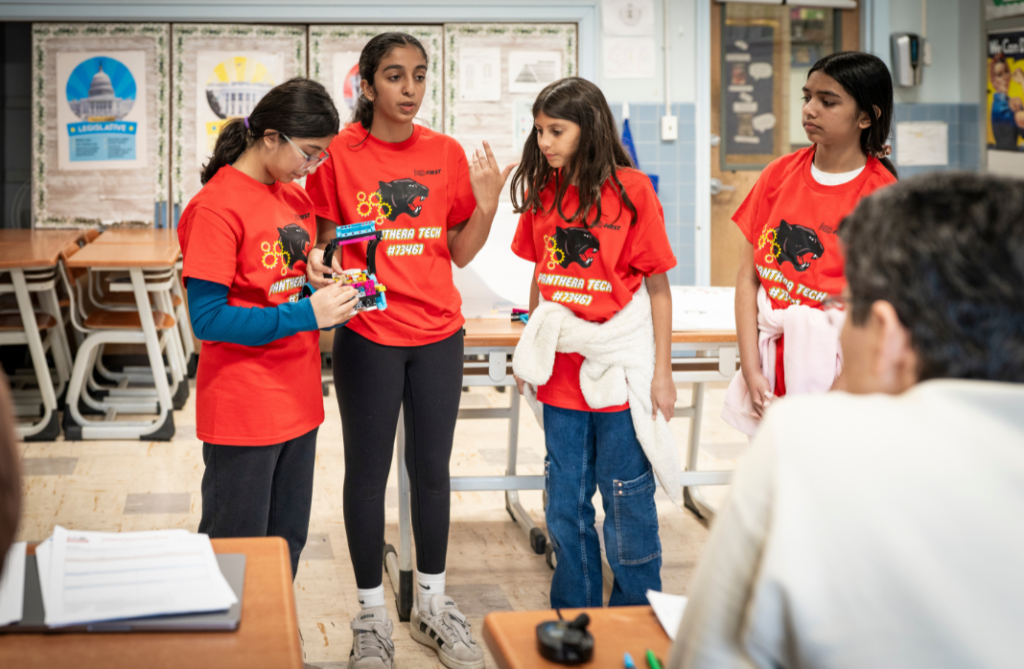
Another exciting part of robotics education is competition. Many schools participate in local, regional, and national robotics events that encourage creativity and teamwork.
One well-known program is the FIRST LEGO League (FLL). This program introduces students to engineering and technology through teamwork and hands-on challenges. Teams design robots to complete missions and present creative solutions to real-world problems.
Competitions do more than test technical ability. They also help students:
- Build confidence
- Practice public speaking
- Learn leadership skills
- Celebrate teamwork and effort
Programs like FLL have introduced millions of students worldwide to robotics and engineering. The organization reports that students involved in its programs are more likely to show interest in STEM careers later in life.
Robotics Programs at Charter Schools Prepare Students for Future Careers
Technology careers are growing quickly. According to the U.S. Bureau of Labor Statistics, jobs in science, technology, engineering, and mathematics are expected to grow faster than many other fields in the coming years.
Because of this growth, many educators believe that early exposure to robotics can help students prepare for the future. Students who participate in robotics programs at charter schools gain experience with tools and concepts used in modern industries. They learn coding, engineering design, and systems thinking.
They also develop a mindset of curiosity and innovation. Students begin to ask questions such as:
- How can this system work better?
- What problem am I trying to solve?
- How can technology help people?
These habits of thinking prepare students for a wide range of careers. Even students who do not pursue engineering still benefit from the analytical and creative thinking robotics encourages.
Why Charter Schools Lead in Robotics Education
Many charter schools focus on innovation and project-based learning. This approach makes robotics a natural fit within their educational model. Because charter schools often have flexibility in curriculum design, they can introduce hands-on STEM learning earlier and more frequently.
In many schools, robotics programs are integrated into:
- STEM classes
- After-school clubs
- Special technology labs
- Competition teams
This allows students to explore robotics in different ways throughout the year. Strong STEM robotics programs also help create a culture of curiosity. Students see learning as an active process where they can experiment, explore, and create.
Teachers play an important role in guiding students through these projects. They encourage creativity, support teamwork, and help students reflect on their progress. This supportive environment helps students feel confident in trying new ideas.
Building Confidence Through Hands-On Learning
Confidence is another powerful outcome of robotics education. When students build something with their own hands and see it work, they experience a sense of accomplishment. A robot that moves across the floor or completes a mission becomes proof that their ideas can succeed.
These moments help students develop confidence in their abilities. Students see themselves as innovators and problem-solvers. They understand that their ideas matter and that learning is a process of discovery.
For many students, robotics can even spark new interests. A student who once struggled with math may begin to enjoy it after seeing how math helps control a robot’s movement. The benefits of robotics education extend far beyond technology. They help students believe in their potential.
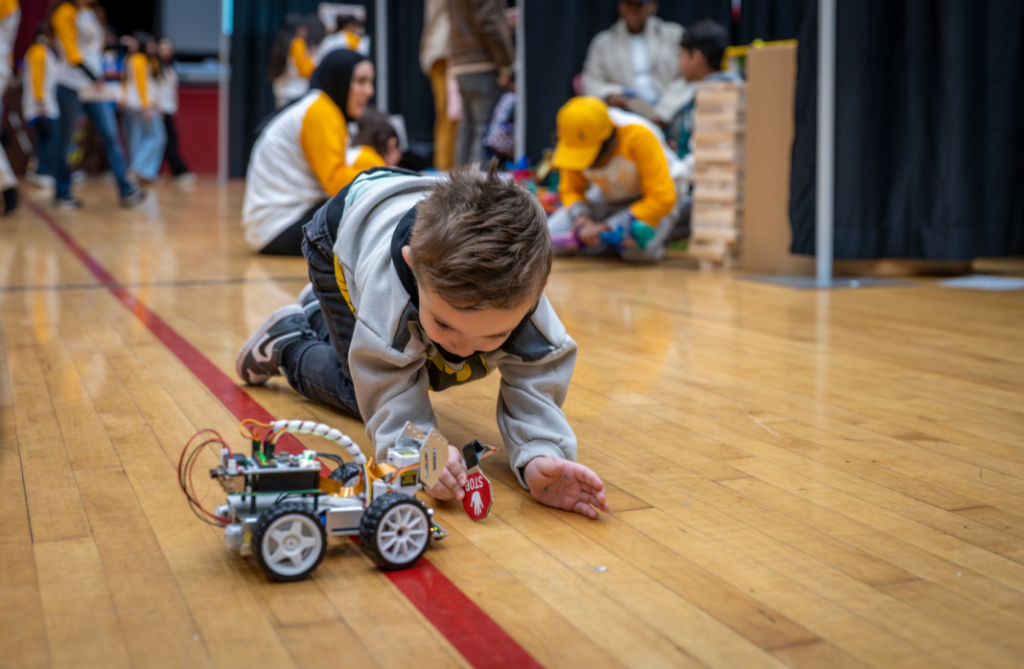
Encouraging Curiosity and Creativity
Robotics also encourages imagination. Students are designing solutions, testing ideas, and improving their work aside from simply following instructions. Each project invites them to think creatively.
This creativity helps students approach challenges with curiosity rather than fear. They learn to ask questions such as:
- What happens if we change this design?
- Can we build something faster or stronger?
- Is there a better way to solve this challenge?
Robotics programs at charter schools encourage curiosity and help students develop the habits of lifelong learners.
Join Us at Make Things Happen 2026
Robotics and hands-on learning thrive when students are given opportunities to explore and create. That spirit of creativity and innovation will be on full display at our upcoming event.
iLearn Schools invites students, families, educators, and community members to join us for our annual Make Things Happen on Saturday, April 25th, from 10 AM to 2 PM at Passaic ASCS Clifton Middle (43 Clifton Ave, Clifton, NJ 07012).
This interactive Maker’s Festival is all about creativity, innovation, and action. For years, it has empowered participants to explore new technologies, collaborate, and see themselves as confident creators who truly make things happen.
Come discover how innovation begins with curiosity and how the next generation of creators can start building the future today. Register here!