STEAM education for kids is a powerful way to help children grow into curious, confident, and capable learners. Combining science, technology, engineering, the arts, and math, students are able to build real-world skills that support both academic success and future career readiness.
Families often ask how these subjects work together and why they matter at an early age. The answer is simple. When children explore, create, and solve problems across different subjects, they strengthen the habits of mind they will need for the rest of their lives.
What Is STEAM and Why Does It Matter?
STEAM stands for science, technology, engineering, the arts, and mathematics. Each subject plays an important role in helping students understand the world around them.
Science encourages curiosity. Technology builds digital literacy. Engineering teaches design and problem-solving. The arts support creativity and expression. Mathematics strengthens logic and reasoning.
When these subjects are combined, students see how ideas connect. They learn that knowledge is not separate. Instead, it works together to solve meaningful problems.
According to the U.S. Department of Education, strong STEM foundations help prepare students for many high-demand careers. Adding the arts creates balance and strengthens creative thinking. This is why STEAM education is so valuable. It supports both technical skills and imagination.
How STEAM Education for Kids Builds Critical Thinking
Learning Through Questions
Children are natural problem solvers. They ask why, how, and what if. Early STEAM education builds on that curiosity.
For example, students may ask:
- Why does a bridge stay up?
- How can we clean polluted water?
- What makes a robot move?
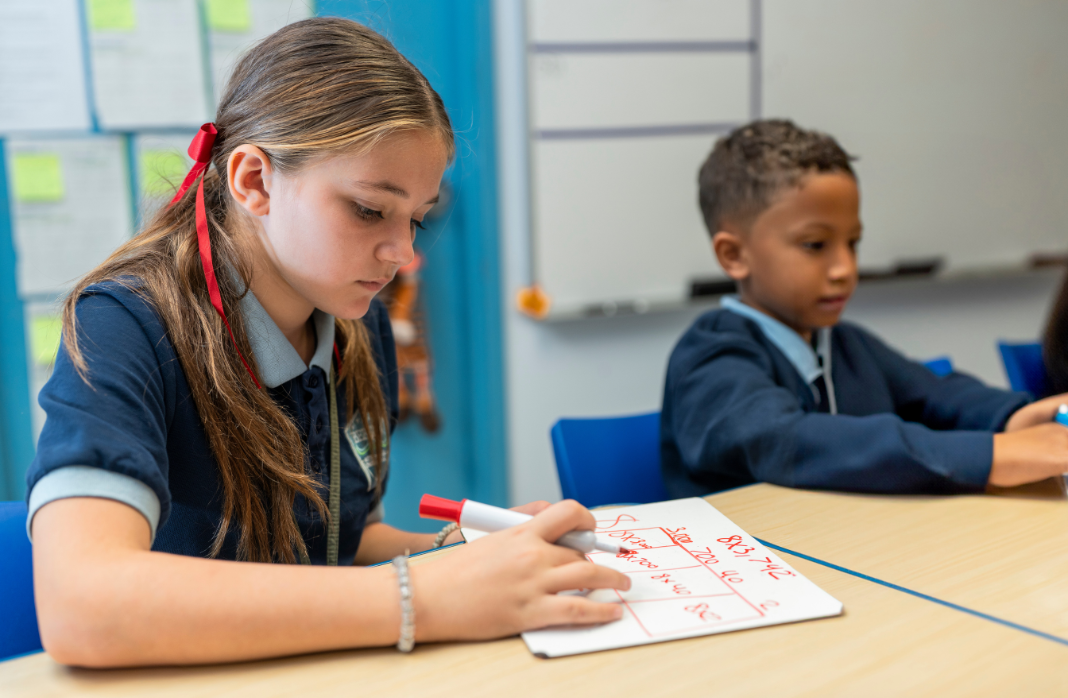
Teachers guide students to explore answers through hands-on projects. This builds critical thinking skills step by step.
Trial and Improvement
In STEAM classrooms, mistakes are part of learning. When a design fails, students try again. They adjust, test, and improve. This process teaches resilience and perseverance. These habits prepare students for future challenges. They learn that effort and problem-solving lead to growth.
Age-Appropriate STEAM Learning Activities
STEAM learning activities look different at each grade level. They are designed to match students’ developmental stages.
Early Childhood and Elementary School
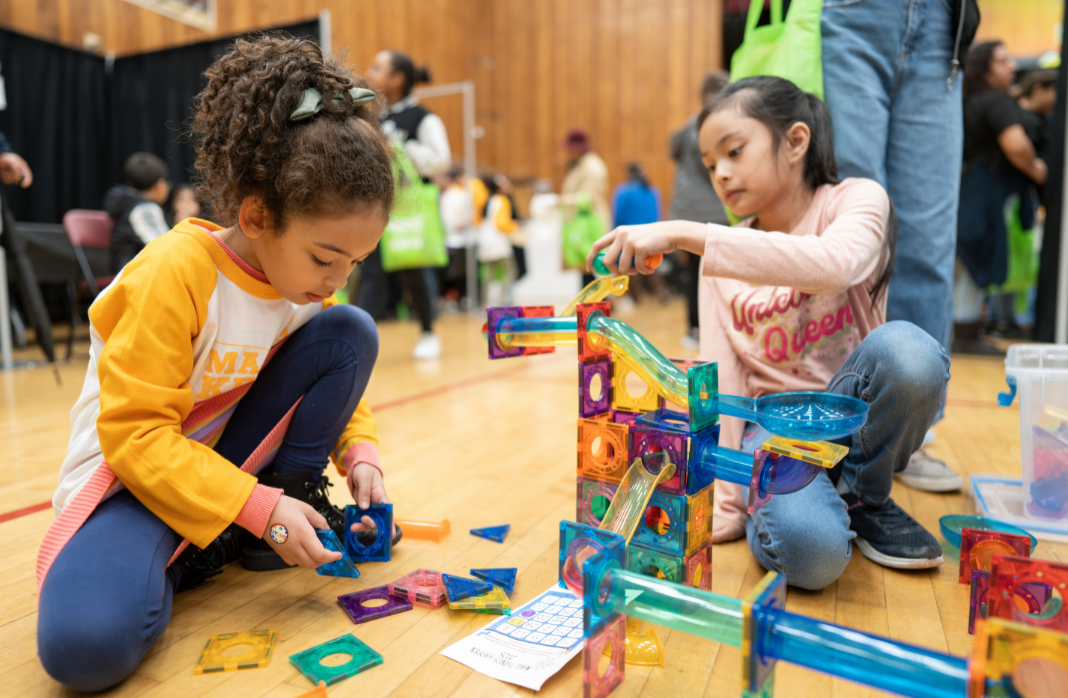
In early grades, STEAM learning activities focus on exploration and play. Students might:
- Build structures with blocks to understand balance
- Mix colors to learn about science and art
- Measure ingredients during cooking projects
- Use simple coding programs to guide a character
These activities build foundational skills in math, science, and creativity. Early STEAM education encourages children to ask questions and test ideas in a safe environment.
Middle and High School
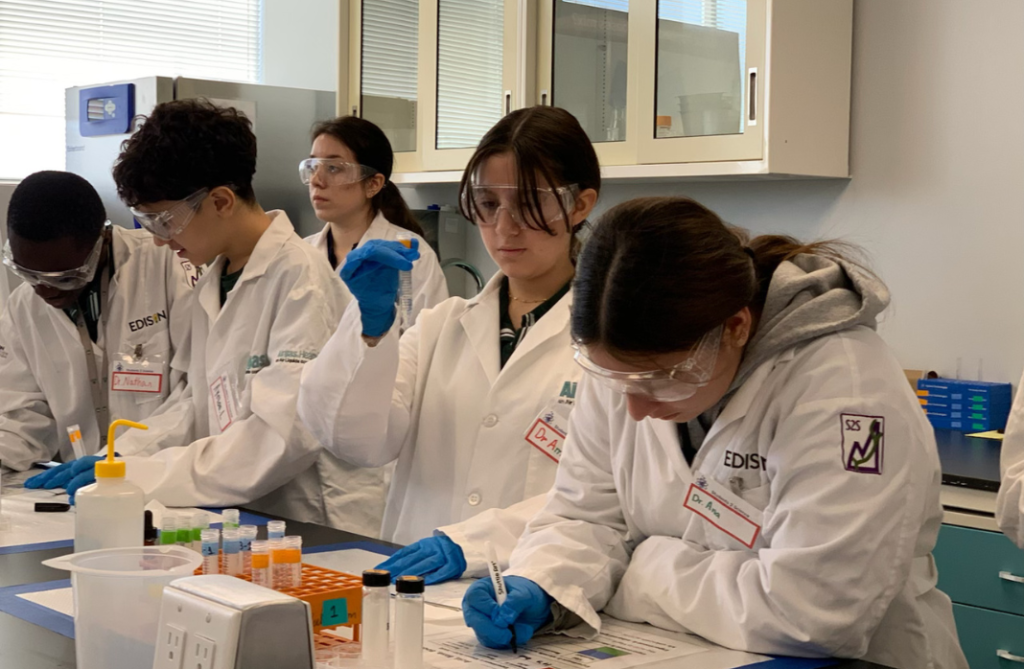
As students grow, projects become more complex. They may:
- Design and test robots
- Create apps or websites
- Conduct science experiments with real data
- Build models to solve community problems
These experiences connect classroom learning to real-world issues. Students see how math and science apply outside of textbooks.
The National Science Teaching Association explains that hands-on learning strengthens understanding and long-term retention. When students actively build and test ideas, they remember what they learn.
The Power of Early STEAM Education
Early STEAM education lays a strong foundation. When children are introduced to these subjects at a young age, they develop confidence. Young learners begin to see themselves as problem solvers. They do not label subjects as too hard. Instead, they view challenges as opportunities.
Research shows that early exposure to STEM topics can increase long-term interest in science and technology careers. When the arts are included, students also gain communication and design skills.
STEAM education for kids supports:
- Stronger math fluency
- Improved reading comprehension through project-based learning
- Greater collaboration skills
- Higher engagement in school
These skills are valuable in any career path, whether a student becomes an engineer, artist, teacher, or entrepreneur.
Creativity Is Just as Important as Technology
Some families worry that focusing on science and math may limit creativity. In reality, the opposite is true. The arts help students communicate ideas. They learn to present projects clearly and design solutions that are both functional and thoughtful.
For example, when students build a model bridge, they must think about structure and strength. They also consider design and presentation. This balance of logic and creativity prepares students for the modern workforce.
STEAM education for kids encourages innovation. It shows students that creativity and technical skills belong together.
Real-World Skills for Future Careers
The workplace continues to change. Many jobs today require digital skills, collaboration, and adaptability. STEAM learning activities help students practice:
- Teamwork
- Communication
- Problem solving
- Data analysis
- Creative design
These skills are transferable. Even if a child does not pursue a science-based career, the habits formed through STEAM education support success in any field.
Students also learn to use technology responsibly. They understand how to research, analyze information, and present findings clearly.
Building Confidence Through Exploration
Confidence grows when students solve problems on their own. When a child completes a coding project or designs a working prototype, they experience pride. That sense of accomplishment motivates them to keep learning.
Early STEAM education teaches children that intelligence is not fixed. Growth comes through effort and practice. This mindset supports lifelong learning.
How Families Can Support STEAM at Home
Parents play an important role in reinforcing STEAM concepts. You do not need special equipment to support learning.
Simple ideas include:
- Encouraging building with everyday materials
- Asking open-ended questions during daily routines
- Exploring nature and discussing observations
- Visiting museums or science centers
- Reading books about inventors and artists
Even cooking together supports math and science skills. Measuring ingredients and observing changes during baking are practical STEAM learning activities. When families show interest in exploration, children feel supported.
Why Schools Prioritize STEAM Education for Kids
Schools that invest in STEAM programs prepare students for both college and career pathways. These programs often include:
- Robotics clubs
- Coding electives
- Science labs
- Art integration projects
- Engineering challenges
Students gain exposure to tools and concepts that may shape future interests. By connecting subjects, schools help students understand the bigger picture. They learn how knowledge works together to solve real problems.
Preparing Students for a Changing World
The future will require adaptability. New industries continue to emerge, especially in technology and innovation. STEAM education for kids equips students with flexible thinking skills.
They learn how to:
- Analyze problems
- Test solutions
- Collaborate with others
- Communicate ideas clearly
These abilities are essential in higher education and the workforce. When students participate in meaningful STEAM learning activities, they build confidence, curiosity, and resilience.
Take the Next Step With iLearn Schools
At iLearn Schools, we believe every child deserves access to strong STEAM opportunities. Our programs support early STEAM education and provide hands-on experiences that build skills for the future.
We are still accepting applications for:
- Paterson Silk City Primary (Kindergarten): 88 Danforth Ave, Paterson, NJ
- Hudson Junior High (9th Grade): 114 Chestnut St, Kearny, NJ
- Bronx Primary (Pre-K & Kindergarten): 925 Hutchinson River Pkwy, Bronx, NY
New families who enroll at one of these campuses will receive a $100 uniform voucher.
If you are ready to give your child the benefits of STEAM education, visit our admissions page to learn more and apply today. Your child’s future begins with curiosity. Let us help them build the skills they need to thrive.