As a parent, you want your child to have every chance to learn and grow. Many families choose charter schools because they offer fresh and creative ways to learn. One of the most exciting of these is travel. Charter school international trips give students the chance to see the world while linking each stop to what they study in class. In this article, we will explain what these trips are, why charter schools are a great fit for them, and how they can help your child in school and in life.
What Makes Charter Schools Different?
Charter schools are free public schools. They follow state learning standards, just like other public schools. The difference is that they have more freedom in how they teach. Many charter schools focus on a special area, such as science and technology, the arts, or global studies.
This freedom allows charter schools to try new ideas that help students learn in real and hands-on ways. If you would like to learn more about how charter schools work, the National Alliance for Public Charter Schools offers a simple overview of what they are and how they serve families across the country.
Because charter schools can shape their own programs, many of them build learning experiences outside the classroom. Travel is one of the most powerful of these experiences.
How Charter School International Trips Tie Into Academics
A school trip abroad is not the same as a family vacation. Every part of the trip is planned with learning in mind. Teachers choose places that connect to the lessons students are already working on.
Planning Around What Students Learn
Let us say a class is studying ancient history. A trip to Greece or Italy lets students walk through the ruins they read about. If students are learning Spanish, a trip to Spain or Peru gives them daily practice speaking with real people. A science class might visit a rainforest, a coral reef, or a famous research center.
Learning Before, During, and After
The learning starts well before students get on the plane. Teachers often give lessons about the history, culture, and language of the country. During the trip, students may keep journals, take photos, or complete small tasks. After they return, they might write a report or share a project with their class. This way, the trip becomes a full learning unit, not just a fun week away.

The Academic Benefits for Students
Charter school international trips can make a big difference in how students understand and remember what they learn. Here are some of the top benefits.
Lessons Come to Life
Reading about a place is one thing. Standing in that place is something else. When students see real castles, museums, and landmarks, the facts from their books start to make sense. A picture in a textbook turns into a memory they made themselves.
Students Remember More
Many kids learn best by seeing and doing. Travel lets them use all their senses. They hear new sounds, taste new foods, and see new sights. These strong memories help lessons stick for a long time.
Real Practice With a New Language
Class time is a great way to start learning a language. But using it in real life builds skill much faster. On a trip, students might order lunch, ask for directions, or chat with local students. Each small conversation builds their confidence.
Science and Math in the Real World
Many charter schools have a strong focus on science, technology, engineering, and math. Travel can show students how these subjects work outside the classroom. They might see how ancient builders used math to create huge structures, or how scientists study plants and animals in the wild.
Life Skills That Last a Lifetime
Good grades are important. So are the skills that help kids succeed as they grow up. International travel helps students build both.
Confidence and Independence
Being in a new country can feel a little scary at first. As students learn to find their way and try new things, they grow more sure of themselves. Many parents say their child comes home more mature and confident.
Teamwork and Problem Solving
Trips do not always go as planned. A train may be late, or it may rain on a day meant for the outdoors. Students learn to stay calm, work together, and come up with a new plan. These are skills they will use at school, at work, and at home.
Respect for Other Cultures
When students meet people from other places, they see that there are many ways to live. They learn about new foods, customs, and traditions. This helps them become more open, kind, and curious about the world around them.
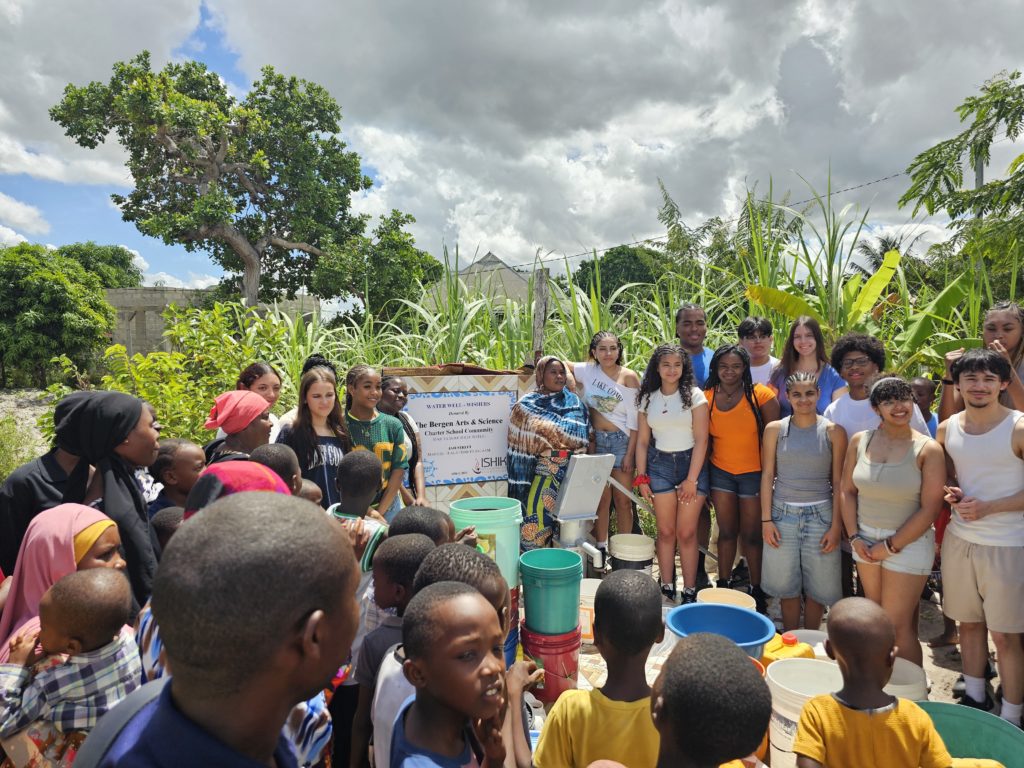
Why Charter Schools Are a Great Fit for Travel
Charter schools often have close school communities. Teachers get to know their students well, which helps when planning trips that fit each group. Since many charter schools already focus on hands-on learning, travel fits right in with their goals.
Charter schools can also be flexible. They can build trips into their yearly plans and connect them to clubs, projects, or special programs. This makes charter school international trips feel like a natural part of learning, not something extra.
Helping Your Child Get Ready
A little planning goes a long way toward a safe and happy trip. Here are a few steps to take before your child leaves.
Passports and Travel Papers
Most trips abroad require a passport. It can take several weeks to get one, so it is a good idea to apply early. The U.S. Department of State travel website explains how to apply for a child’s passport and lists the entry rules for each country. This can help you make sure your child has everything they need.
Talk About the Goals of the Trip
Sit down with your child and talk about what they hope to learn. Ask what they are most excited to see. Encourage them to keep a travel journal so they can write down new words, facts, and feelings each day.
Pack With Care
Make a packing list together. Include comfortable shoes, any needed medicine, and weather-ready clothes. Letting your child help with packing builds responsibility and gets them excited for the journey.
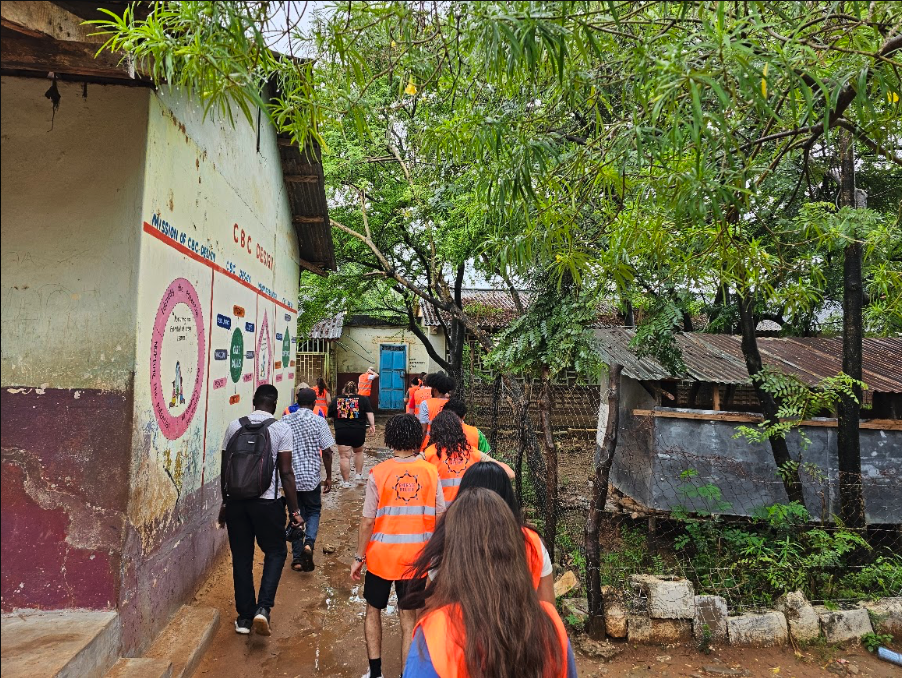
Questions to Ask Your Child’s School
It is normal to have questions before sending your child on a trip abroad. Here are some helpful ones to ask:
- Who will lead the trip, and how many adults will go?
- How does the trip connect to what my child is learning?
- What safety plans are in place?
- Are there payment plans or fundraising options to help with costs?
A good school will be happy to answer these questions and help you feel at ease.
Open the World to Your Child
Charter school international trips are one of the best ways to help students learn, grow, and see the world with fresh eyes. They bring lessons to life, build real-world skills, and create memories that last forever. Most of all, they help children become confident and curious learners who are ready for the future.
Explore the World with iLearn Beyond Borders
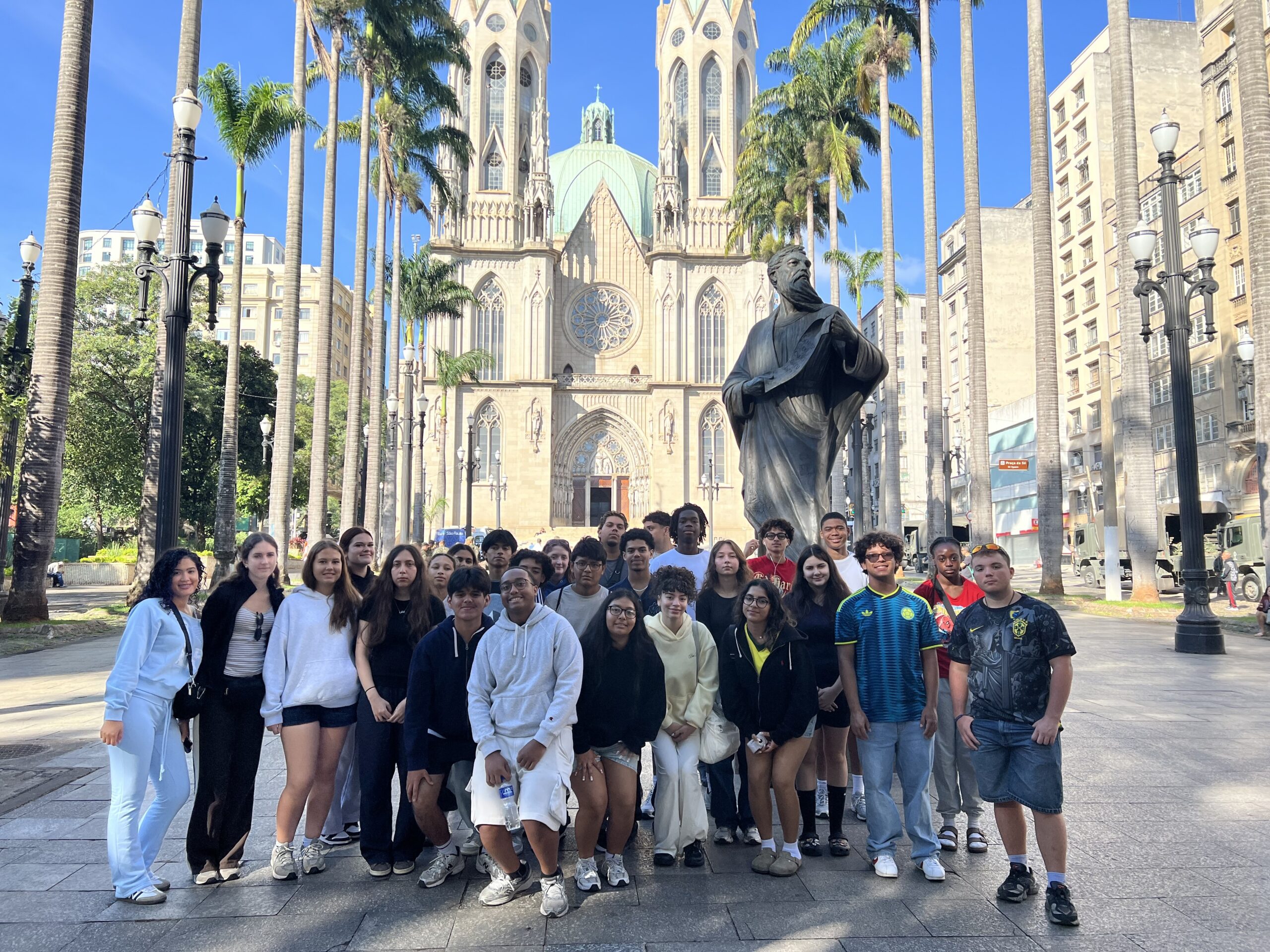
At iLearn Schools, we bring these benefits to life through iLearn Beyond Borders, our international travel and student exchange program for high school students. It includes three paths: iHorizon, cultural trips that let students explore new countries, languages, and historic sites; iImpact Corps, which pairs travel with hands-on service projects that make a difference in communities abroad; and iBridge, a student exchange program built on our long-standing partnership with schools in different countries. Every trip is led by iLearn teachers who connect each experience to what students learn in class, so the journey continues long after they return home.
Want your child to learn beyond the classroom? Reach out to iLearn Schools at ilearnschools.org today to learn more about our international trips and how they connect to what your student is studying.